Electric vehicles in Kenya are scaling rapidly through ride-hailing platforms, with Bolt accounting for 24% of the country’s registered EV fleet.
Electric vehicles in Kenya are scaling rapidly through ride-hailing platforms, with Bolt accounting for 24% of the country’s registered EV fleet.
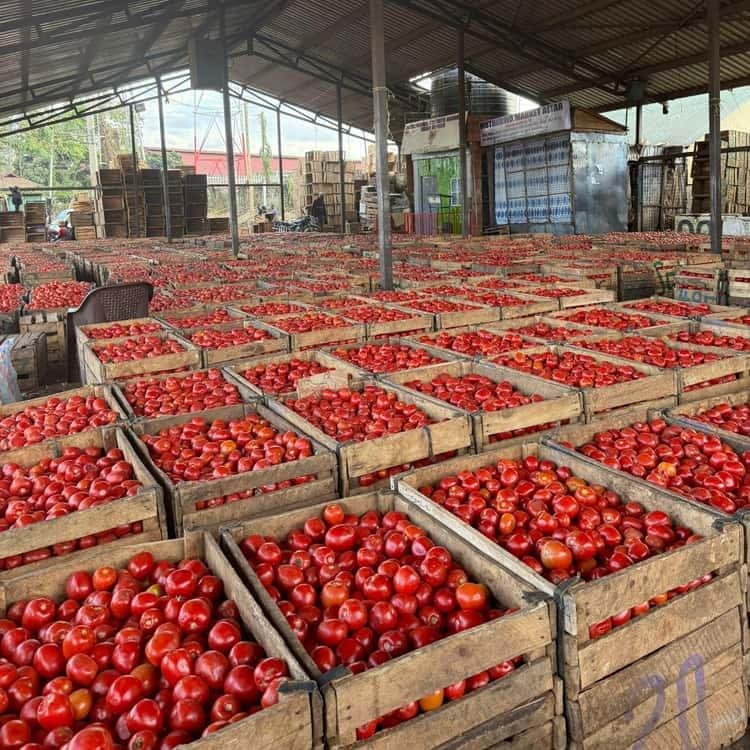
Tomato price surge in Kenya is intensifying pressure on household budgets as one of the country’s most widely consumed food items becomes increasingly expensive. Across major markets, consumers are facing

Innovation is often heralded as a cornerstone of economic growth, and Kenya’s entrepreneurial spirit is a testament to this principle. As the country seeks to establish itself as a regional
The dividend increase reflects Old Mutual's improved operational performance, particularly in asset management and short-term insurance, as well as disciplined capital management.
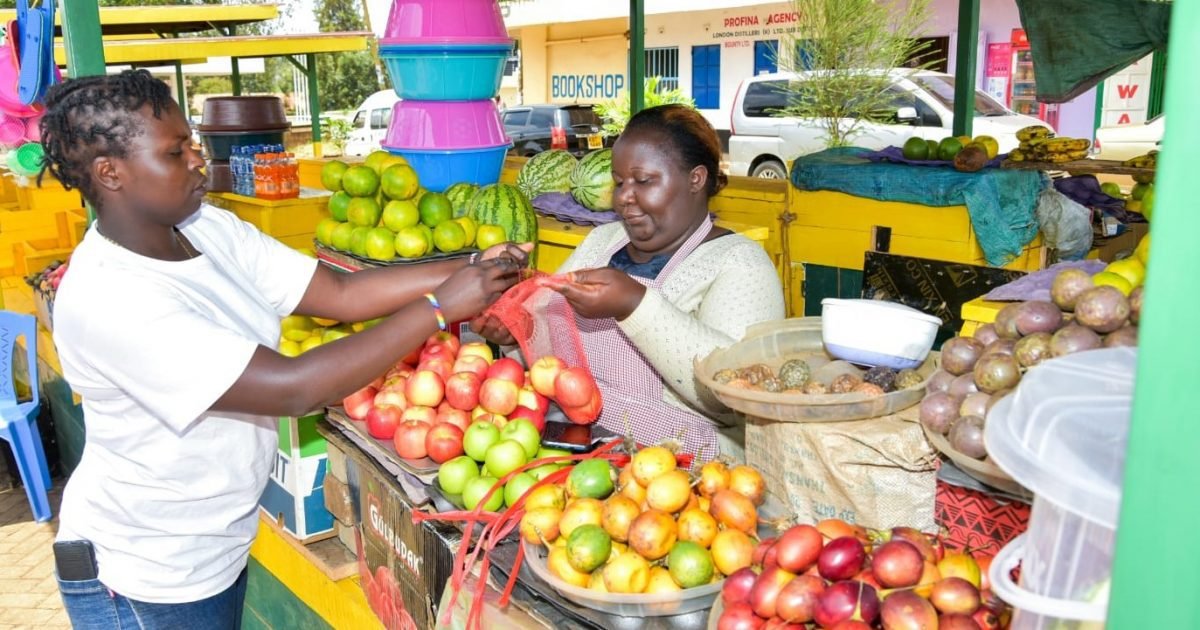
Kenya’s small and medium-sized enterprises (SMEs) are poised for a significant financing uplift following plans by the International Finance Corporation to roll out a Sh6.7 billion funding facility targeting underserved businesses. The proposed IFC Sh6.7bn fund is designed to expand credit access for smaller firms grappling with tight liquidity conditions, high borrowing costs, and limited collateral. With SMEs accounting for the majority of businesses and a substantial share of employment in Kenya, the facility is expected to strengthen enterprise resilience, support expansion, and stimulate job creation. Analysts say the move comes at a critical time as entrepreneurs navigate a challenging economic environment marked by elevated financing costs and shifting consumer demand. The funding will reportedly be channeled through financial intermediaries to enhance lending capacity to small businesses, many of which remain excluded from traditional bank financing due to perceived risk profiles. The initiative underscores IFC’s broader strategy of deepening financial inclusion and catalyzing private sector growth in emerging markets. IFC Sh6.7bn Fund to Expand Credit Access for SMEs The IFC Sh6.7bn fund aims to bridge Kenya’s persistent SME financing gap, estimated in billions of shillings annually. Many small businesses face hurdles in accessing affordable credit, often relying on informal borrowing or short-term expensive facilities that constrain long-term growth planning. By partnering with local financial institutions, IFC intends to strengthen on-lending capacity while improving risk assessment mechanisms tailored to smaller enterprises. This approach could enable banks and non-bank lenders to extend more structured loans with longer tenors and competitive pricing. Financial sector analysts argue that such blended finance initiatives are essential in unlocking SME potential. “Targeted credit facilities like the IFC Sh6.7bn fund can de-risk lending to small businesses and crowd in additional private capital,” said economist Peter Ndungu. “This not only supports enterprise growth but also enhances overall economic resilience.” The facility may particularly benefit businesses in trade, manufacturing, agribusiness, and services — sectors that form the backbone of Kenya’s economic activity yet often struggle to secure growth capital. Strategic Implications of the IFC Sh6.7bn Fund for Kenya’s Economy Beyond direct credit access, the IFC Sh6.7bn fund carries broader economic implications. SMEs contribute significantly to employment creation and income generation, making their financial stability central to inclusive growth. Improved access to structured financing can enable businesses to invest in technology upgrades, expand production capacity, hire additional staff, and formalize operations. This, in turn, could strengthen tax revenues and improve overall productivity. Kenya’s financial ecosystem has witnessed tightening liquidity conditions in recent years, with lenders adopting more cautious risk frameworks. Against this backdrop, IFC’s intervention is seen as a stabilizing mechanism that can unlock momentum within the private sector. However, experts caution that effective deployment will depend on transparent governance, efficient disbursement mechanisms, and robust monitoring to ensure funds reach genuinely productive enterprises rather than being concentrated among already banked firms. If successfully implemented, the IFC Sh6.7bn fund could mark a pivotal moment in Kenya’s SME financing landscape, reinforcing confidence among entrepreneurs and signaling renewed international support for the country’s private sector growth agenda.

Kenya’s ambition to turn its rare-earth wealth into an industrial advantage has gained fresh momentum after the United States offered to support local processing of minerals at Mrima Hill in Kwale.
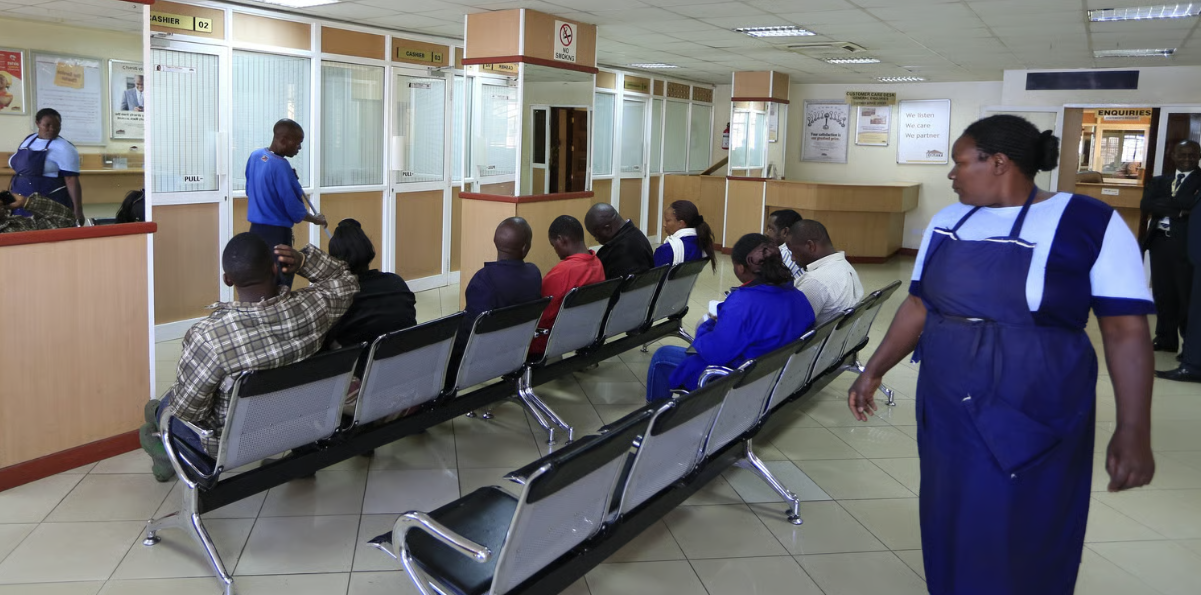
A new tax ruling could reshape Kenya’s credit market.

For investors navigating Kenya’s capital markets, identifying early signals of a price surge on the Nairobi Securities Exchange (NSE) is essential for maximizing returns. According to market analysts, a confluence of robust financial
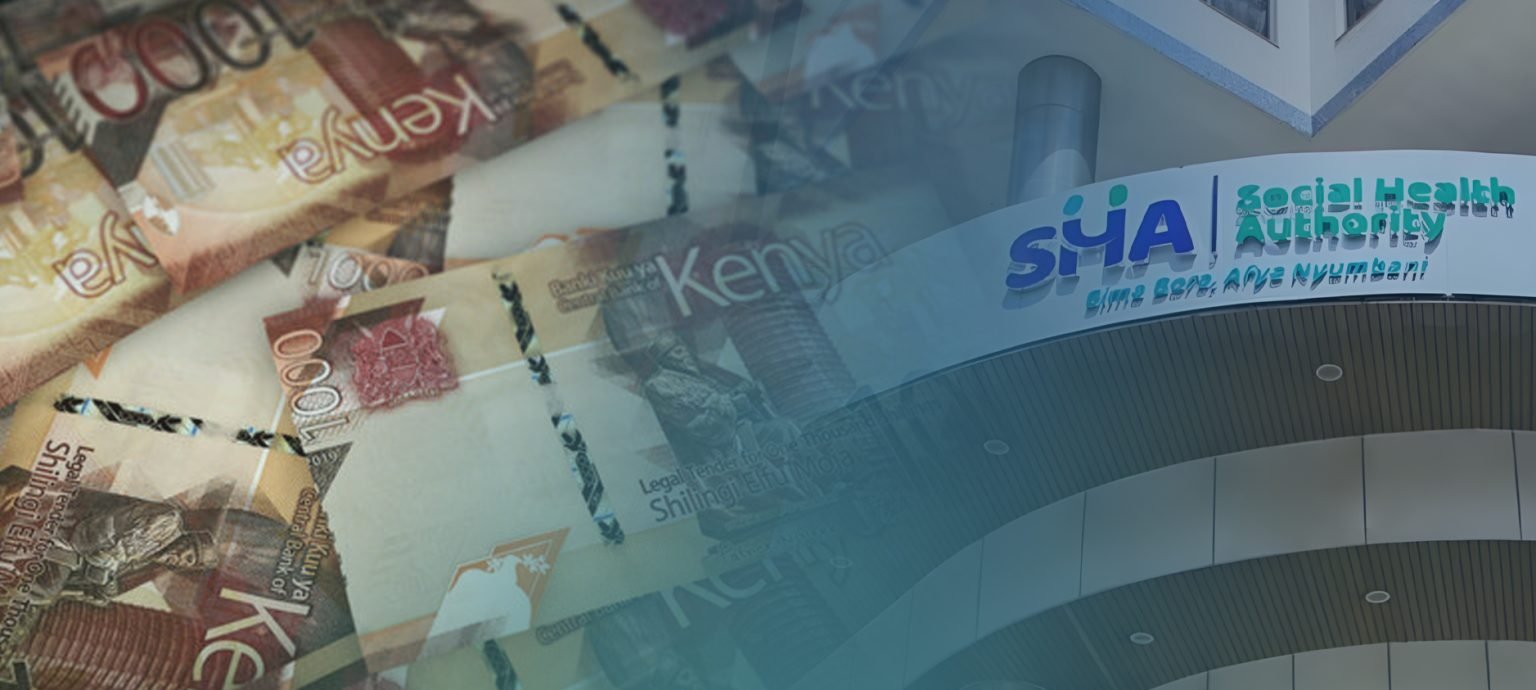
Kenya’s Treasury has allocated Sh3.5 billion in SHA healthcare funding to cover insurance contributions for the country’s poorest households.
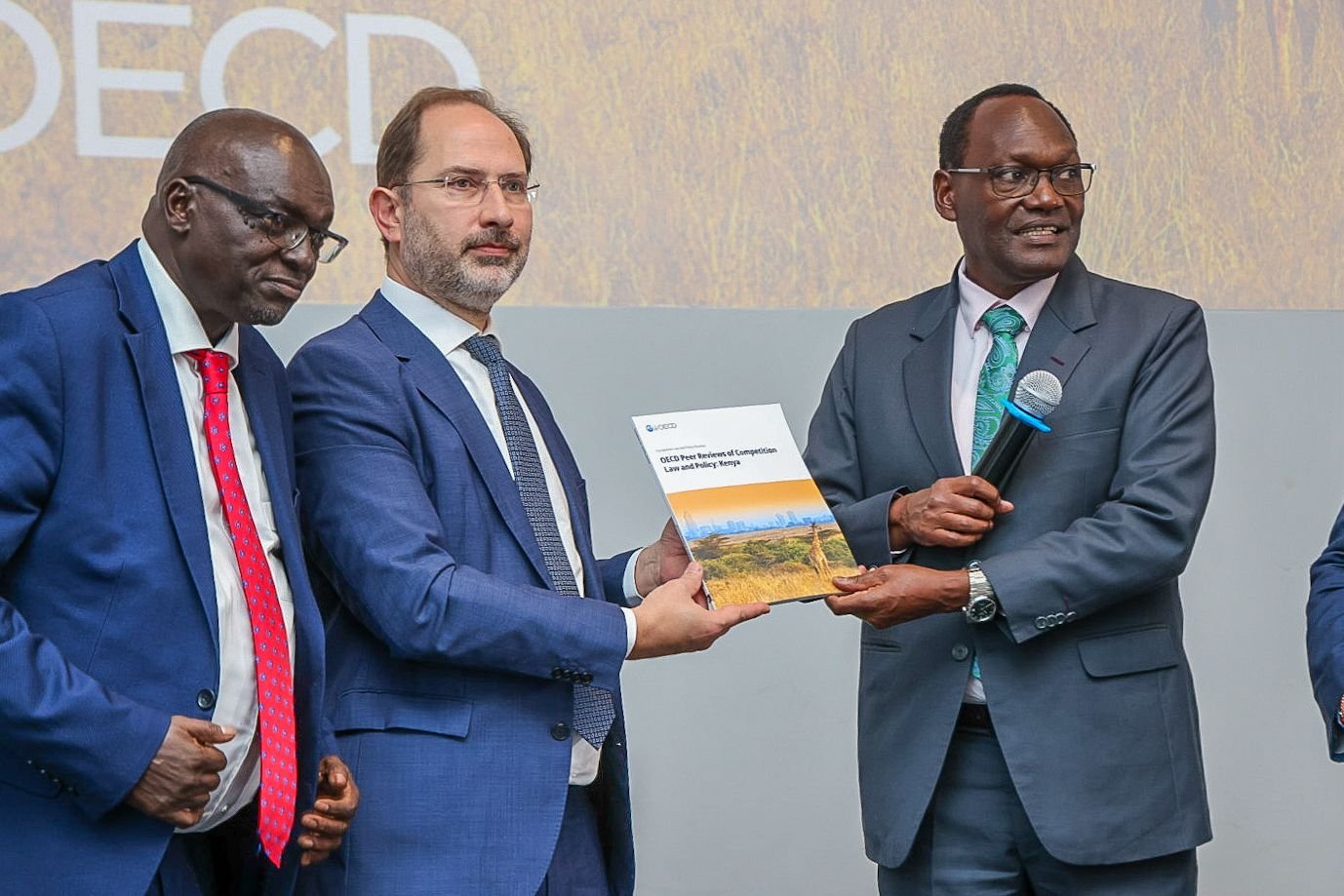
Among the main concerns are low levels of enforcement activity, limited financial and human resources, and challenges in ensuring institutional independence. The report warns that these constraints may weaken the ability of regulators to deter anti-competitive behaviour and protect consumers effectively.