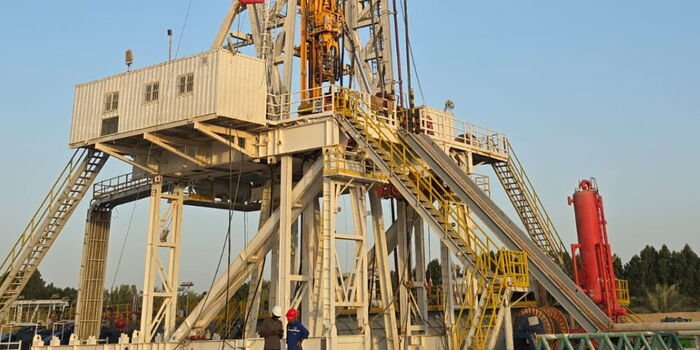
Gulf Energy has leased a $15 million (KSh 1.94 billion) drilling rig from UAE's Great Wall Drilling Company to start oil production in Kenya's South Lokichar Basin this year.
Gulf Energy has leased a $15 million (KSh 1.94 billion) drilling rig from UAE's Great Wall Drilling Company to start oil production in Kenya's South Lokichar Basin this year.
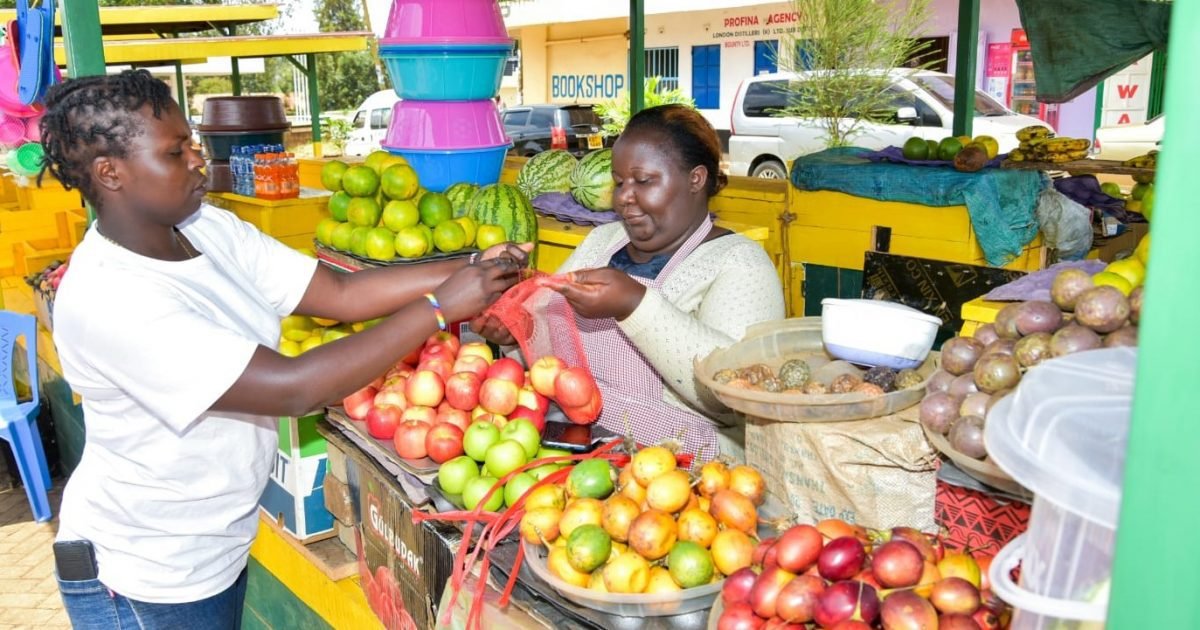
Kenya’s small and medium-sized enterprises (SMEs) are poised for a significant financing uplift following plans by the International Finance Corporation to roll out a Sh6.7 billion funding facility targeting underserved businesses. The proposed IFC Sh6.7bn fund is designed to expand credit access for smaller firms grappling with tight liquidity conditions, high borrowing costs, and limited collateral. With SMEs accounting for the majority of businesses and a substantial share of employment in Kenya, the facility is expected to strengthen enterprise resilience, support expansion, and stimulate job creation. Analysts say the move comes at a critical time as entrepreneurs navigate a challenging economic environment marked by elevated financing costs and shifting consumer demand. The funding will reportedly be channeled through financial intermediaries to enhance lending capacity to small businesses, many of which remain excluded from traditional bank financing due to perceived risk profiles. The initiative underscores IFC’s broader strategy of deepening financial inclusion and catalyzing private sector growth in emerging markets. IFC Sh6.7bn Fund to Expand Credit Access for SMEs The IFC Sh6.7bn fund aims to bridge Kenya’s persistent SME financing gap, estimated in billions of shillings annually. Many small businesses face hurdles in accessing affordable credit, often relying on informal borrowing or short-term expensive facilities that constrain long-term growth planning. By partnering with local financial institutions, IFC intends to strengthen on-lending capacity while improving risk assessment mechanisms tailored to smaller enterprises. This approach could enable banks and non-bank lenders to extend more structured loans with longer tenors and competitive pricing. Financial sector analysts argue that such blended finance initiatives are essential in unlocking SME potential. “Targeted credit facilities like the IFC Sh6.7bn fund can de-risk lending to small businesses and crowd in additional private capital,” said economist Peter Ndungu. “This not only supports enterprise growth but also enhances overall economic resilience.” The facility may particularly benefit businesses in trade, manufacturing, agribusiness, and services — sectors that form the backbone of Kenya’s economic activity yet often struggle to secure growth capital. Strategic Implications of the IFC Sh6.7bn Fund for Kenya’s Economy Beyond direct credit access, the IFC Sh6.7bn fund carries broader economic implications. SMEs contribute significantly to employment creation and income generation, making their financial stability central to inclusive growth. Improved access to structured financing can enable businesses to invest in technology upgrades, expand production capacity, hire additional staff, and formalize operations. This, in turn, could strengthen tax revenues and improve overall productivity. Kenya’s financial ecosystem has witnessed tightening liquidity conditions in recent years, with lenders adopting more cautious risk frameworks. Against this backdrop, IFC’s intervention is seen as a stabilizing mechanism that can unlock momentum within the private sector. However, experts caution that effective deployment will depend on transparent governance, efficient disbursement mechanisms, and robust monitoring to ensure funds reach genuinely productive enterprises rather than being concentrated among already banked firms. If successfully implemented, the IFC Sh6.7bn fund could mark a pivotal moment in Kenya’s SME financing landscape, reinforcing confidence among entrepreneurs and signaling renewed international support for the country’s private sector growth agenda.
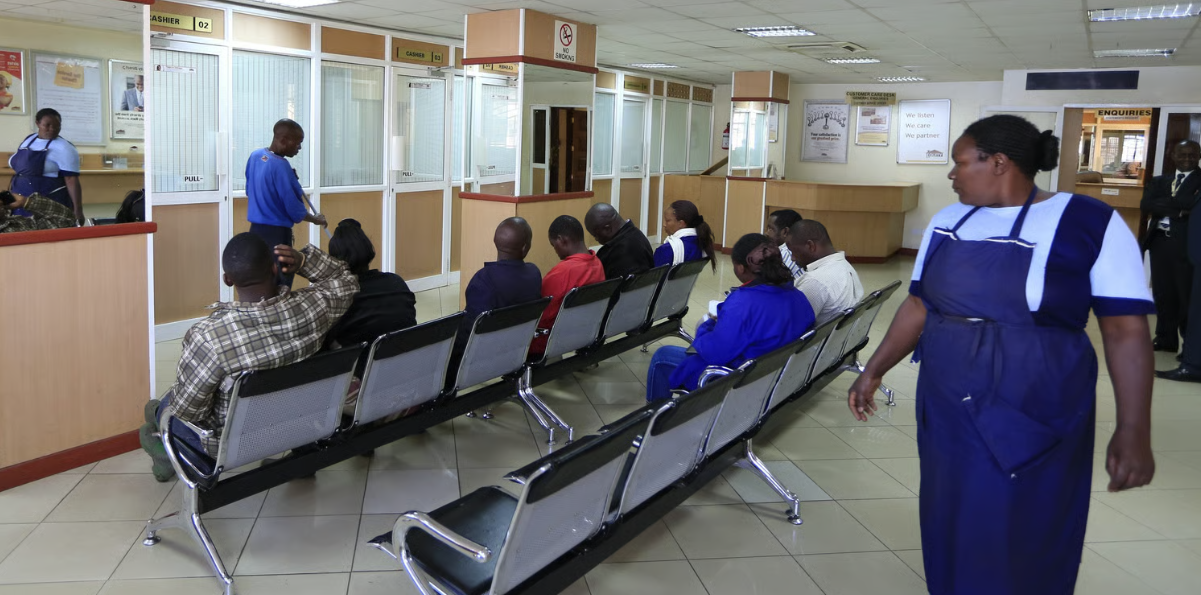
A new tax ruling could reshape Kenya’s credit market.
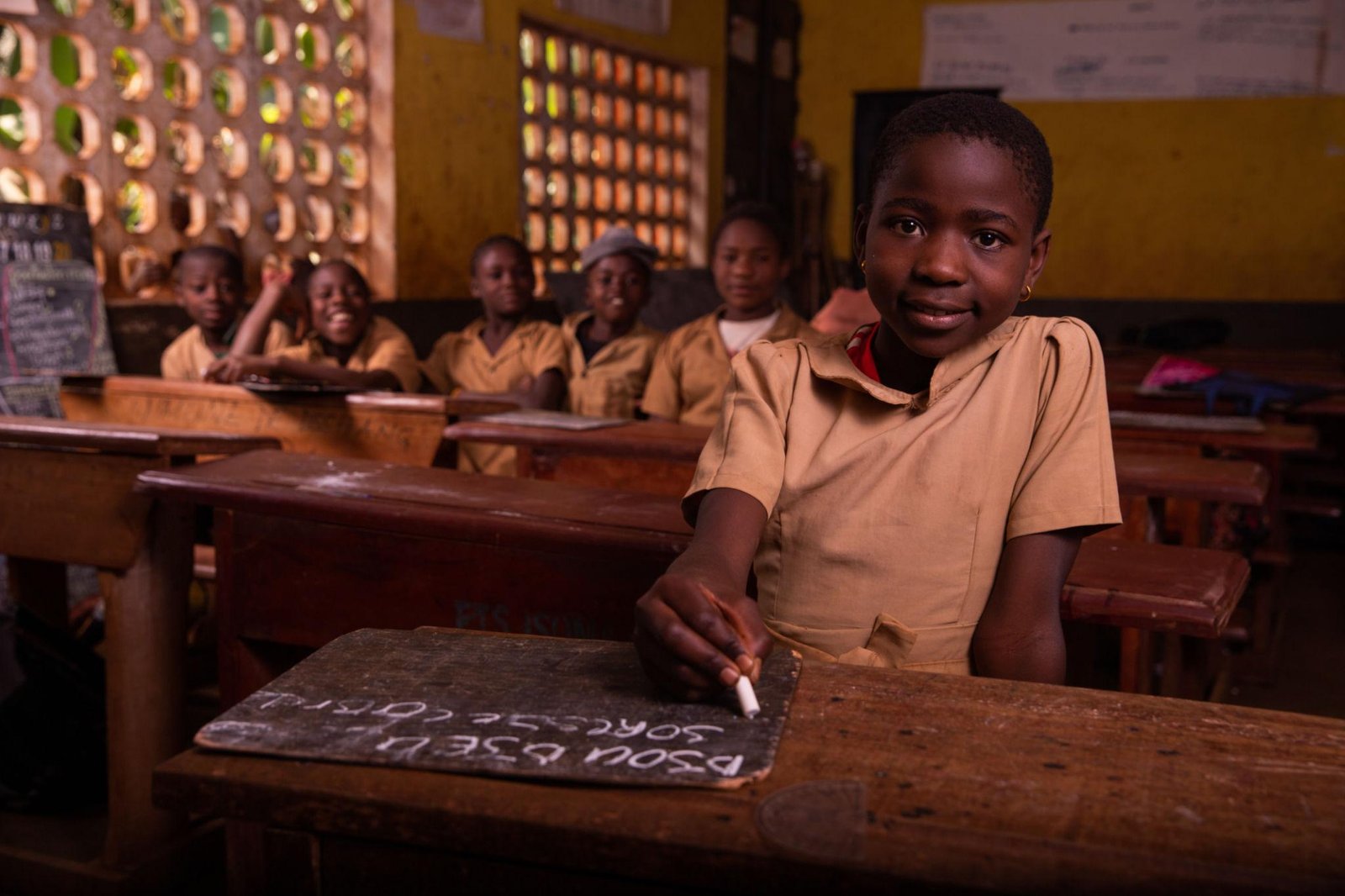
According to the Commonwealth Secretariat, this shift is having a direct impact on youth-focused spending.
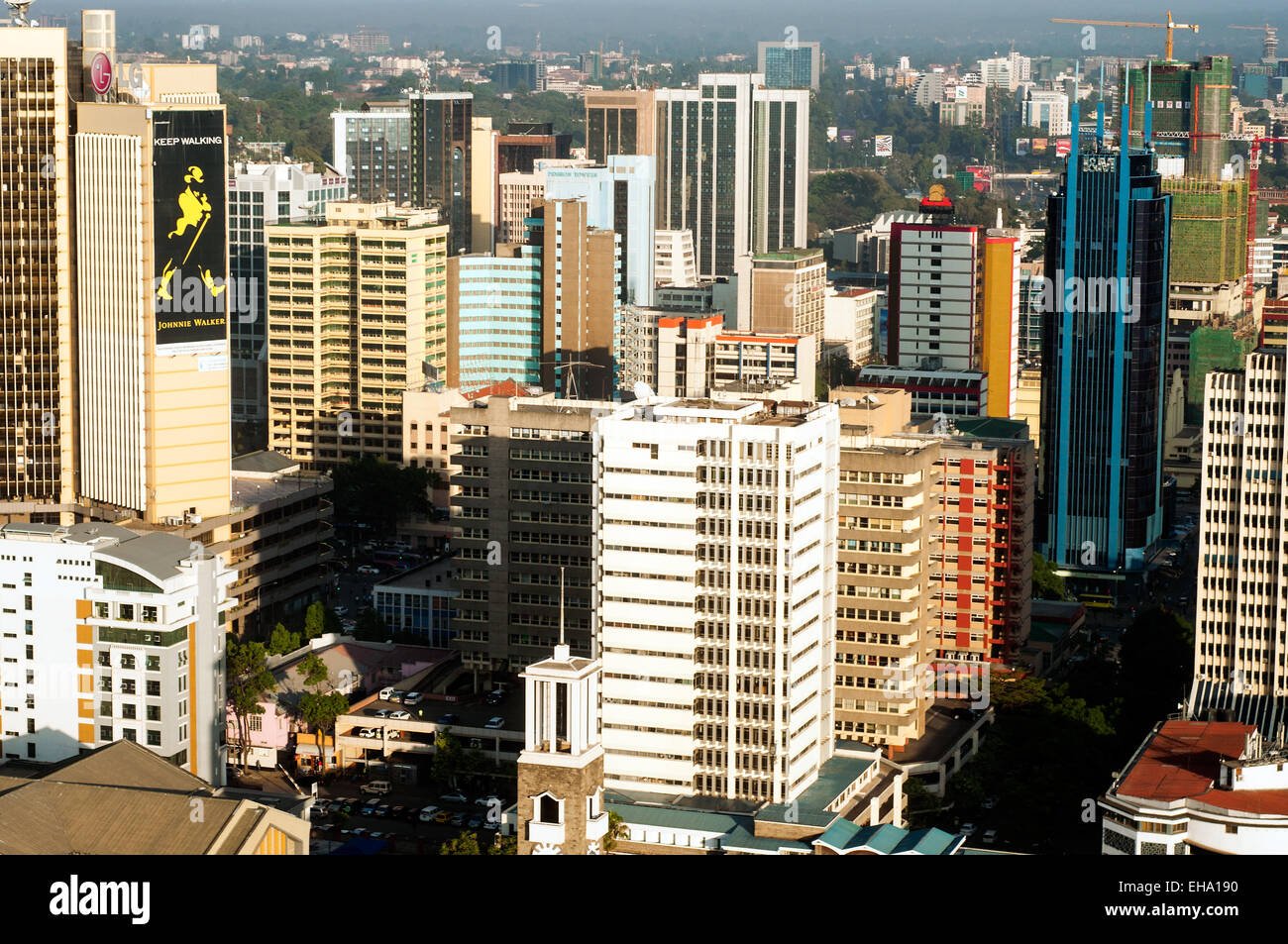
With currency volatility reshaping investor behavior, Dollar-denominated I-Reits are emerging as a compelling solution for Kenya’s property market.
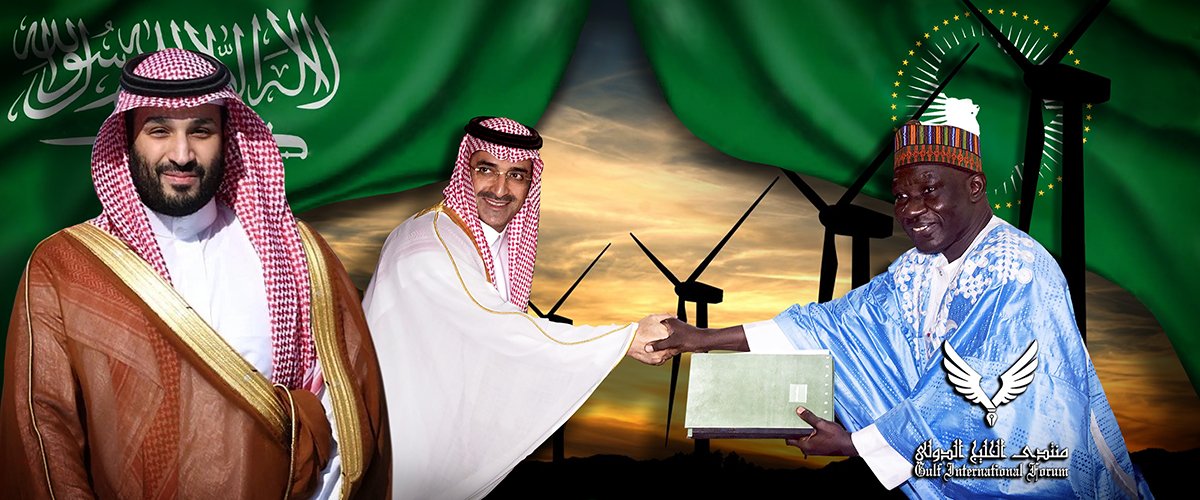
Saudi Arabia has pledged to invest more than $25 billion in Africa over the next seven years, a figure later expanded to $41 billion over the coming decade. The package includes development financing, export support, and funding for startups, signalling a broad-based approach to economic engagement.
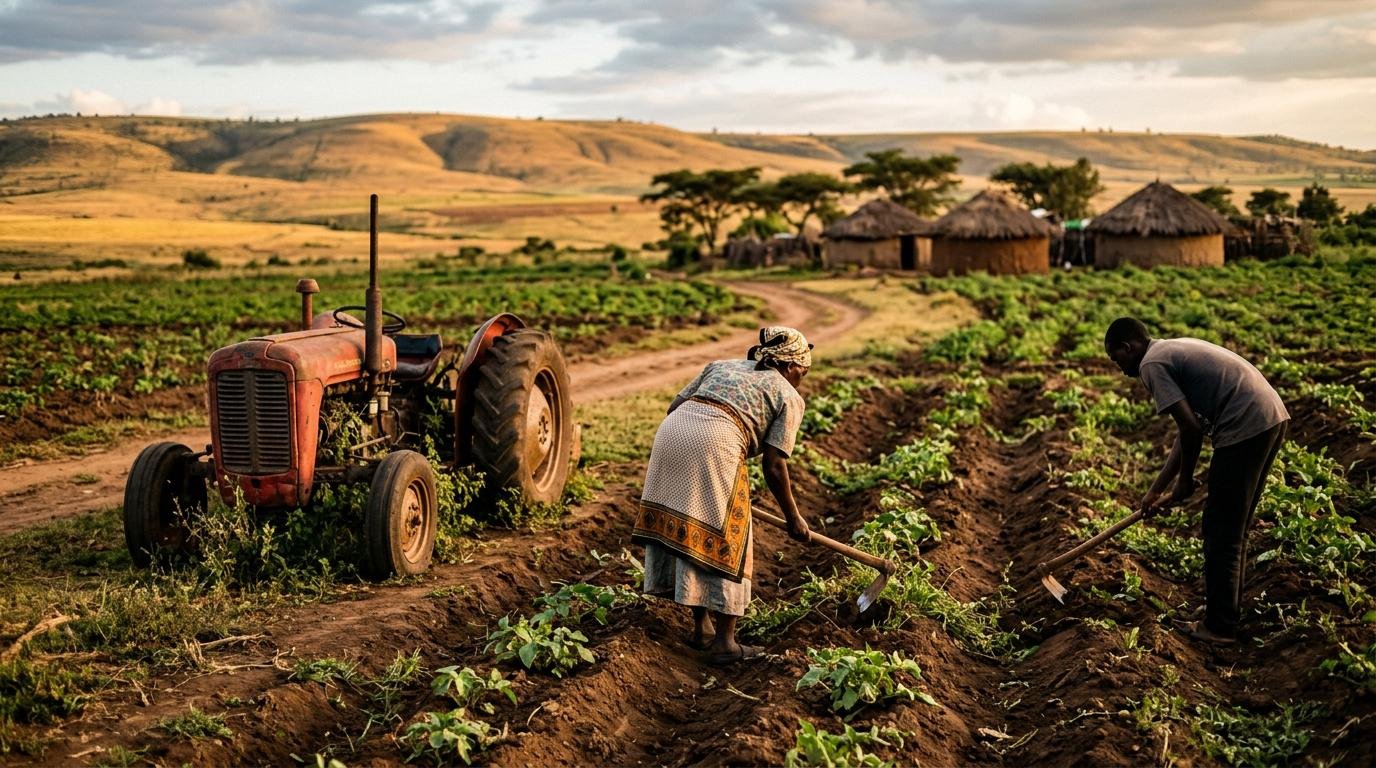
For smallholder farmers, the difference between a strong harvest and a disappointing season can begin before a single seed enters the soil.

Nairobi has quietly emerged as a significant player in the global luxury property market. Recent reports indicate that the city now ranks 12th globally in luxury home prices, attracting attention

The policy replaces the previous flat 5 per cent royalty rate for Ghana with a system that ties state revenues to rising bullion prices. Under the new framework, miners will pay up to 12 per cent when gold reaches $4,500 per ounce.

Electric vehicles in Kenya are scaling rapidly through ride-hailing platforms, with Bolt accounting for 24% of the country’s registered EV fleet.