The policy replaces the previous flat 5 per cent royalty rate for Ghana with a system that ties state revenues to rising bullion prices. Under the new framework, miners will pay up to 12 per cent when gold reaches $4,500 per ounce.
The policy replaces the previous flat 5 per cent royalty rate for Ghana with a system that ties state revenues to rising bullion prices. Under the new framework, miners will pay up to 12 per cent when gold reaches $4,500 per ounce.
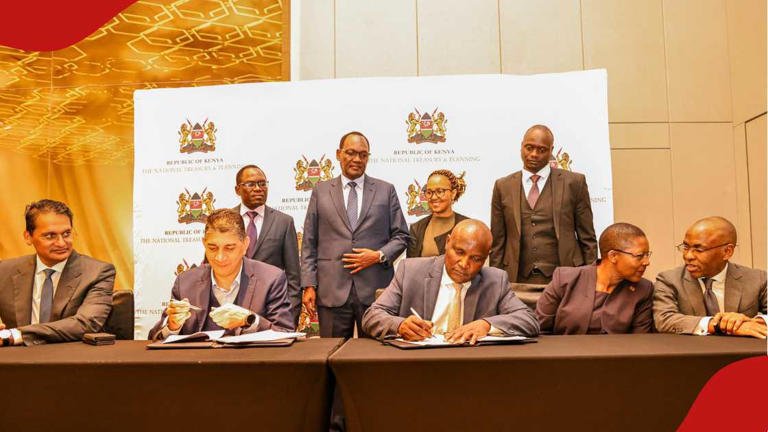
The Central Bank of Kenya (CBK) has publicly endorsed the government’s proposed sale of a 15 percent stake in Safaricom to South Africa’s Vodacom Group, affirming that the transaction is unlikely

Kenya is taking a major step to fix one of its biggest investment risks: land fraud.
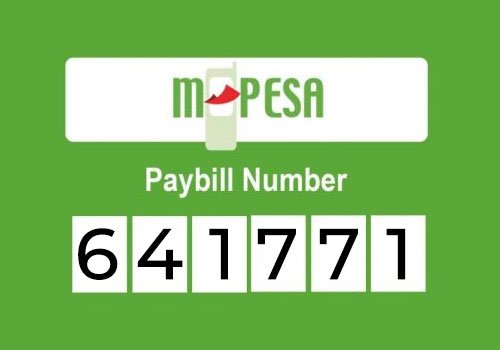
The Central Bank of Kenya has officially approved Safaricom's request to mask customers' full names and phone numbers in Lipa na M-Pesa Till and Paybill transactions, ending a decade-long practice that left millions of Kenyans exposed to data harvesting and unsolicited marketing.
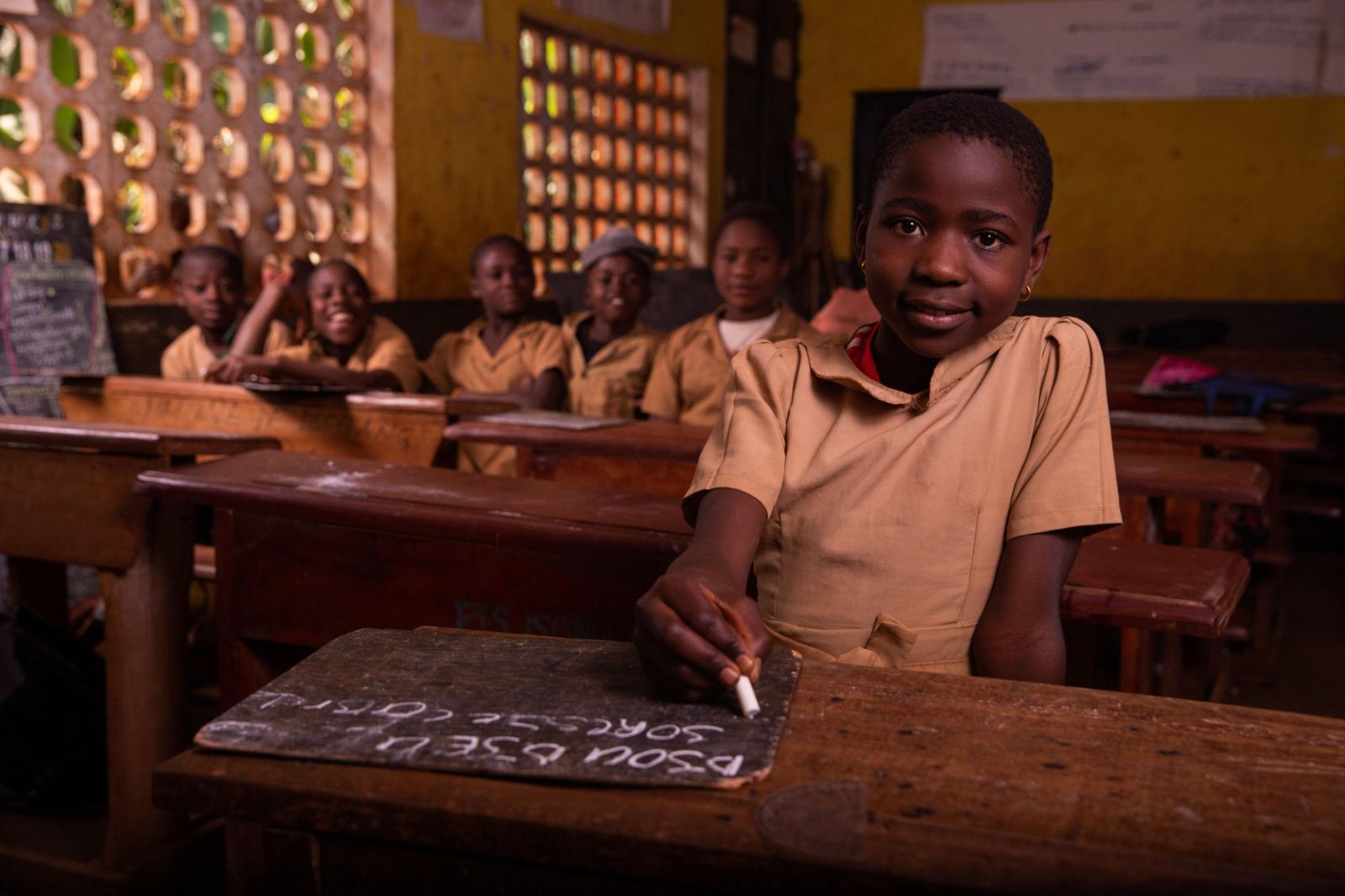
According to the Commonwealth Secretariat, this shift is having a direct impact on youth-focused spending.
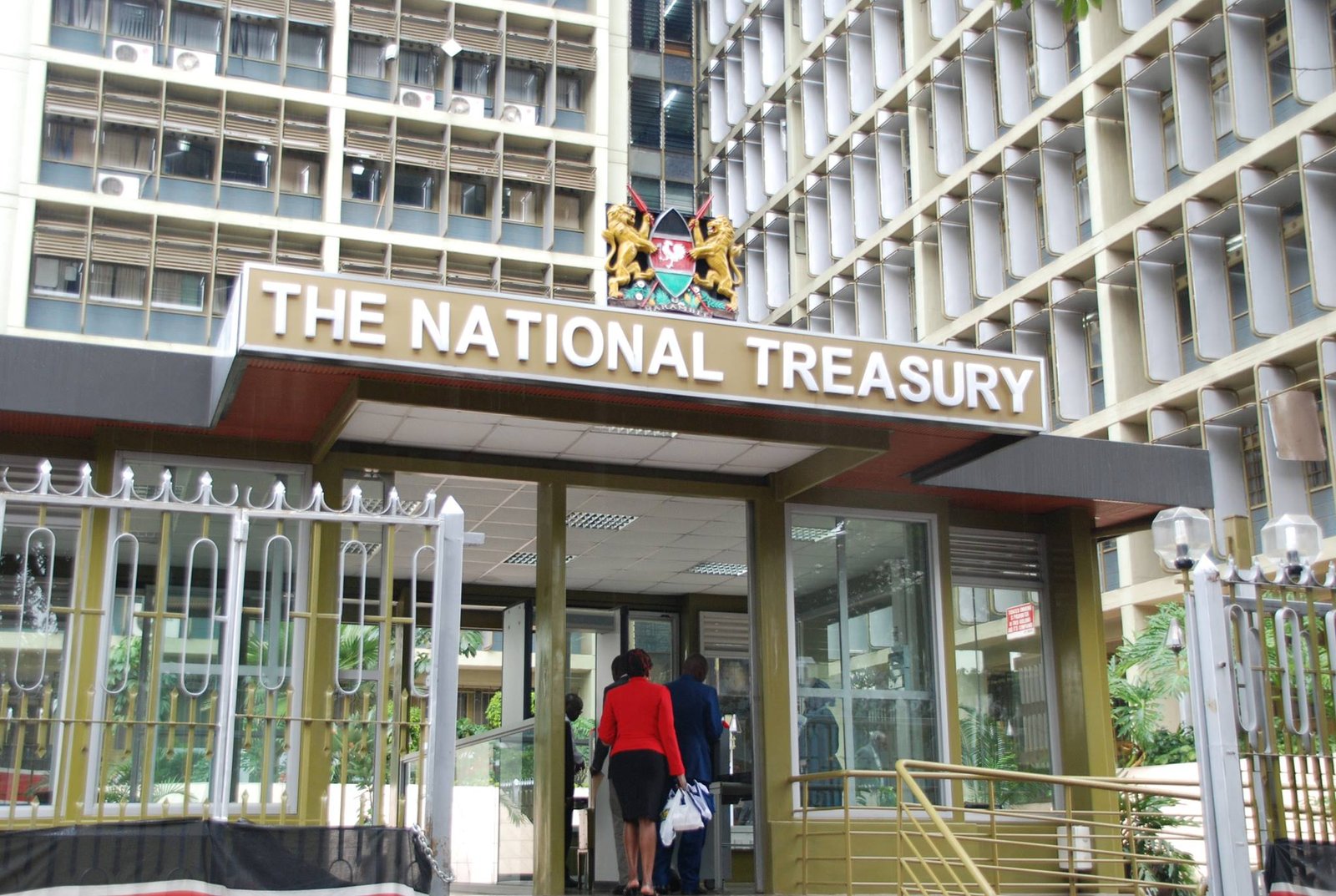
Kenya Reduces IMF Dependence Through Stake Sales
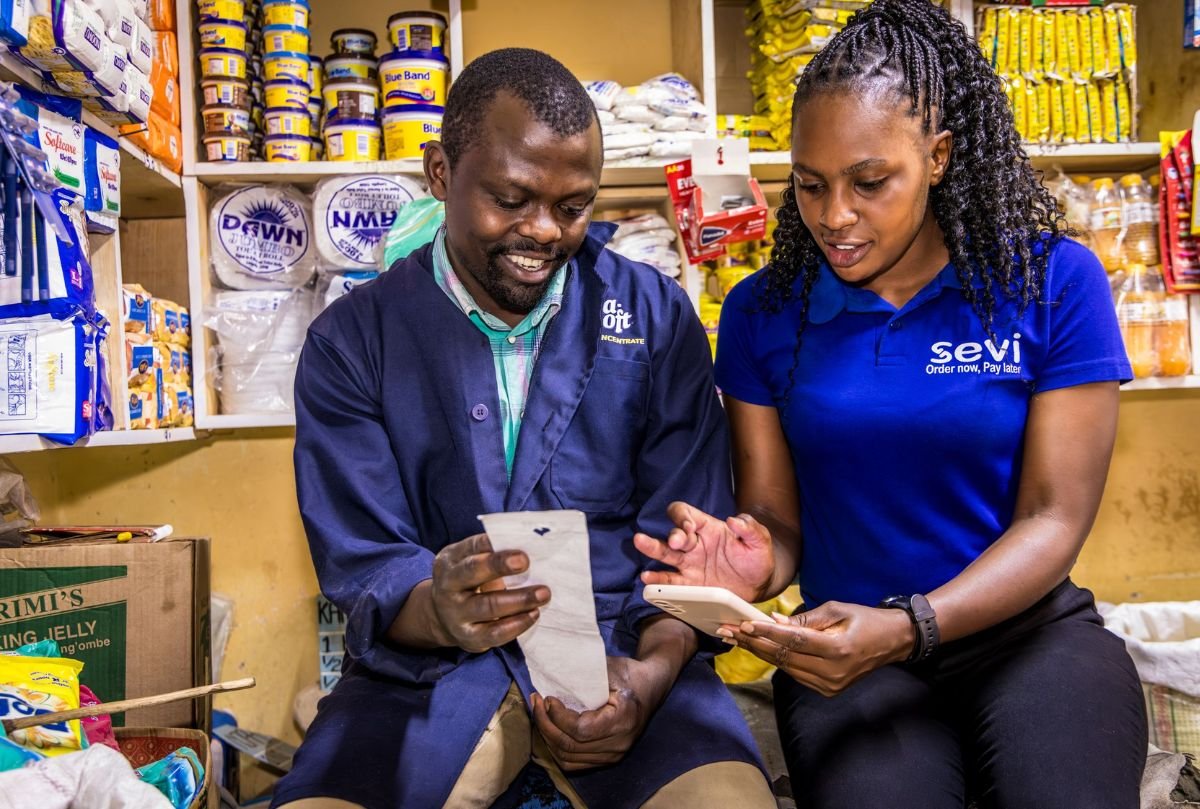
In a tough economic climate, growth isn’t just about higher sales — it’s about stronger relationships.

UK shoppers shifted toward healthier foods as grocery price inflation cooled, highlighting evolving consumer priorities and value-focused buying.

Africa’s geographical proximity to Europe is a major advantage. Shorter shipping routes reduce delivery times, freight costs and exposure to geopolitical disruptions.
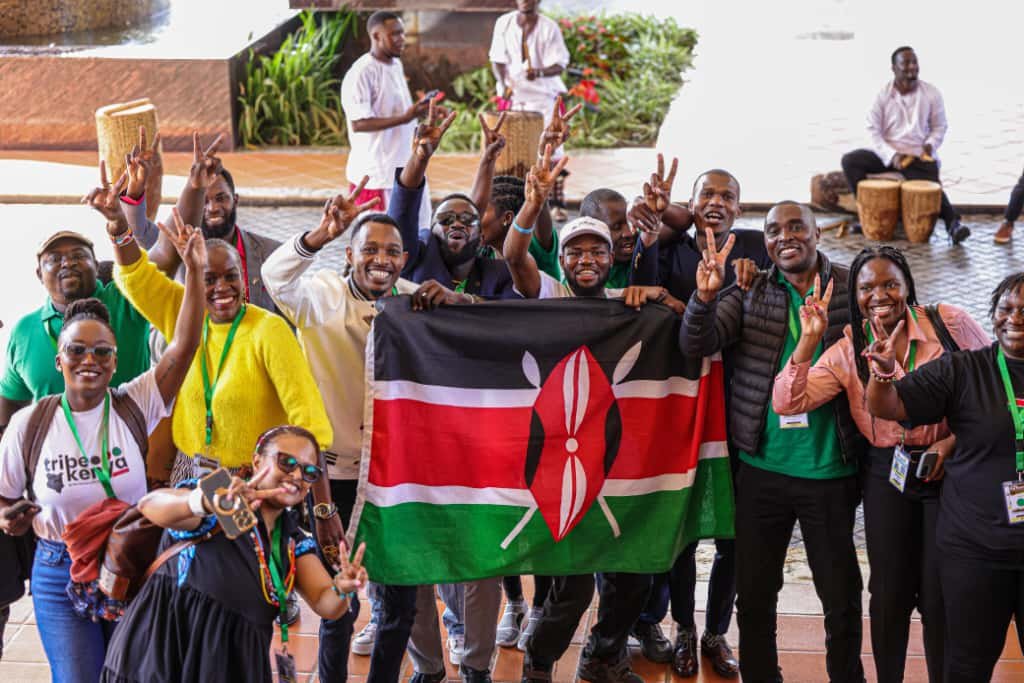
Sh160 million in NYOTA start-up grants empowers 5,000 Coast youth, promoting business creation and economic inclusion.