Now Reading: Kenya Warns Oil Firms Against Hoarding as Global Crisis Exposes Deeper Market Risks
-
01
Kenya Warns Oil Firms Against Hoarding as Global Crisis Exposes Deeper Market Risks
Kenya Warns Oil Firms Against Hoarding as Global Crisis Exposes Deeper Market Risks

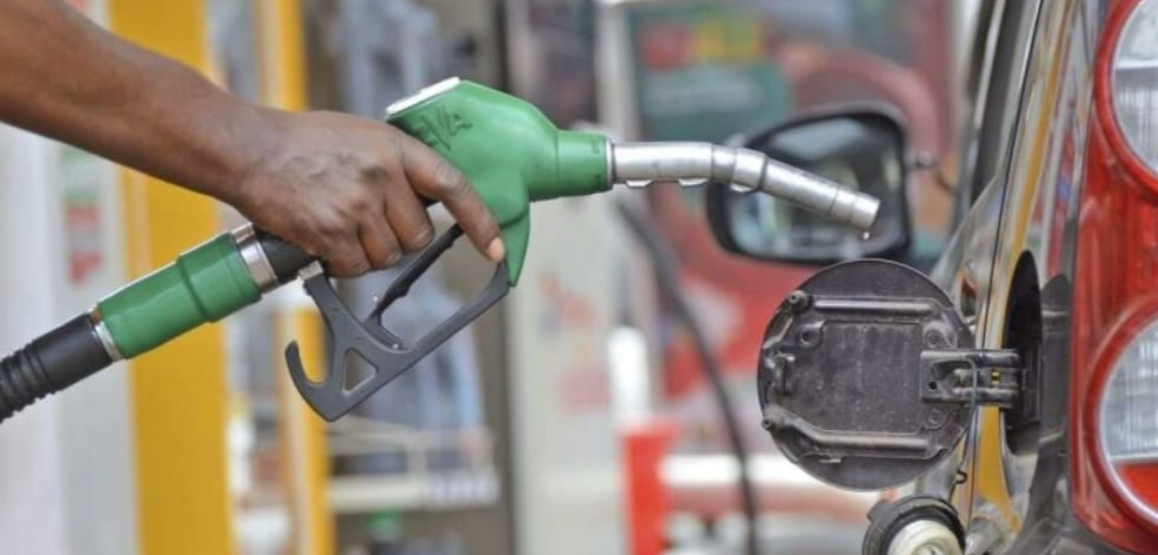

The Kenyan government has issued a sharp warning to oil marketing companies against hoarding fuel, as early signs of supply strain emerge amid escalating geopolitical tensions in the Middle East.
Energy Cabinet Secretary Opiyo Wandayi cautioned that firms found withholding fuel stocks in anticipation of price increases risk losing their licences, describing the practice as “commercially opportunistic” and contrary to the public interest.
The warning follows growing reports of speculative behaviour in the market as global oil prices rise.
The intervention comes at a critical moment. Industry players say supply pressures are already building, with around 20% of fuel retail outlets reportedly experiencing shortages due to disruptions linked to the ongoing Middle East conflict.
Independent fuel dealers warn that the situation could escalate into a full-blown crisis within weeks if tensions persist, particularly as Kenya remains heavily dependent on fuel imports routed through the Gulf region.
“We have constrained supply,” industry representatives noted, pointing to delays and rising costs tied to disrupted global shipping routes.
At the same time, the government maintains that the country has sufficient reserves to meet demand. Officials say fuel stocks held in national storage facilities are adequate, and additional shipments are already scheduled for the upcoming supply cycle.
However, the disconnect between official assurances and industry concerns is fueling uncertainty. Retailers argue that regulated pump prices, which have remained unchanged despite rising global costs, are squeezing margins and creating incentives for stockpiling.
The hoarding warning underscores a deeper challenge facing Kenya and many African economies: vulnerability to external shocks. The disruption of oil flows through key global routes has highlighted how quickly distant geopolitical events can translate into domestic economic pressure.
This fragility is not unique to Kenya. Across Africa, investors are increasingly pricing in higher risk premiums as countries grapple with a mix of political instability, economic volatility, and exposure to global market swings.
Conflict-affected states such as Sudan, Somalia, and Niger remain among the riskiest markets globally, while others like Mozambique face security challenges tied to resource-rich regions. Meanwhile, economies including Ethiopia and Malawi are dealing with currency pressures and rising debt burdens, further complicating the investment landscape.
Political uncertainty in countries such as Gabon and Guinea has also added to investor caution, as governance disruptions raise concerns over policy continuity and market stability.
The situation unfolding in Kenya’s fuel sector provides a tangible example of how these broader risks can manifest. A supply disruption thousands of kilometres away has begun to ripple through local markets, affecting availability, pricing expectations, and business behaviour.
For investors, such developments reinforce the importance of risk differentiation. While Africa continues to offer strong growth potential, the cost of capital in many markets remains elevated due to perceived instability and structural weaknesses.
At the same time, the episode highlights the importance of regulatory intervention. By moving to curb hoarding and enforce supply obligations, Kenyan authorities are attempting to stabilise the market and maintain consumer confidence.
Still, the broader lesson remains clear. Africa’s investment story in 2026 is increasingly defined by a dual dynamic: expanding opportunity alongside persistent vulnerability.
As global shocks become more frequent, the ability of governments to manage crises, enforce regulations, and maintain market stability will play a decisive role in shaping investor confidence across the continent.
Also Read: Dangote Refinery Expands Fuel Exports Across Africa Amid Global Supply Disruptions – Business News
Related Posts


Previous Post
Next Post