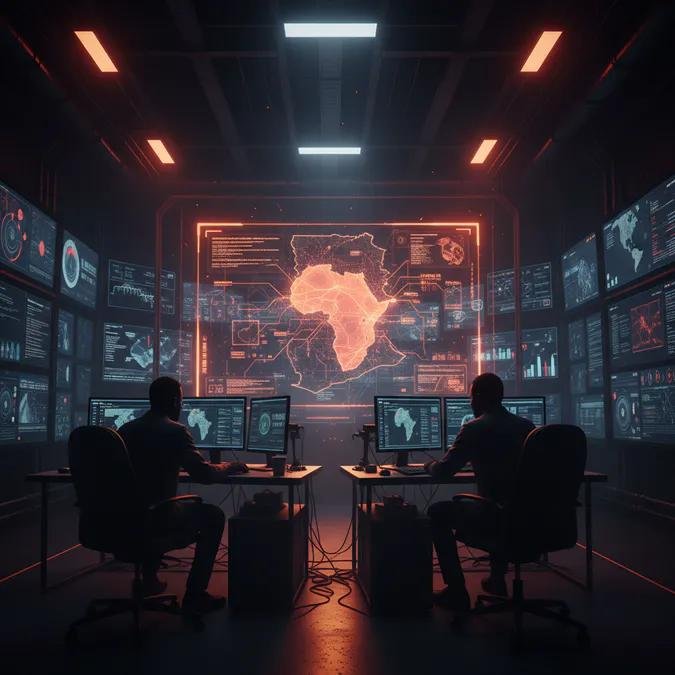
Artificial intelligence is giving African businesses a new source of productivity, but it is also creating a cybersecurity problem that conventional defenses were never designed to handle.

Artificial intelligence is giving African businesses a new source of productivity, but it is also creating a cybersecurity problem that conventional defenses were never designed to handle.

Kenya’s corruption debate is entering a more consequential phase, with concerns increasingly focused not only on stolen public money but on what happens when wealth, political influence, and weak institutions reinforce one another.

Kenya’s next tourism battle may be fought long before a traveller boards a plane.
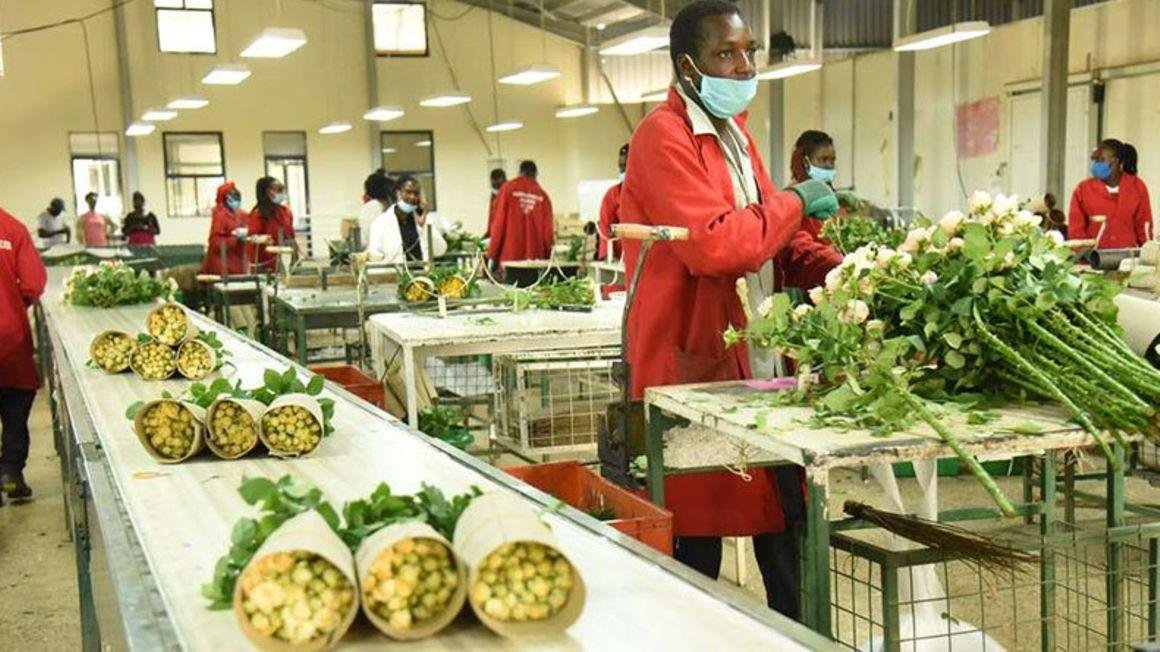
Kenya is looking to turn Germany into a bigger market for its exporters, but the strategy is shifting from simply shipping more products to capturing more value from every shipment.

Kenya’s aviation market is becoming a more important battleground for global airlines, and Emirates is signaling that it intends to compete for more of the region’s premium and connecting traffic.

Technology has radically changed the relationship between brands and consumers, making it easier than ever to discover products, compare prices, and complete transactions.

The next phase of artificial intelligence will not be defined by what a chatbot can tell an employee. It will be defined by what AI can do without being asked at every step.

Immersive fitness technology is beginning to transform conventional exercise machines into digital environments, with large curved displays capable of placing cyclists inside simulated roads, forests, and other outdoor landscapes.

Kenya has no shortage of researchers, engineers or promising ideas.
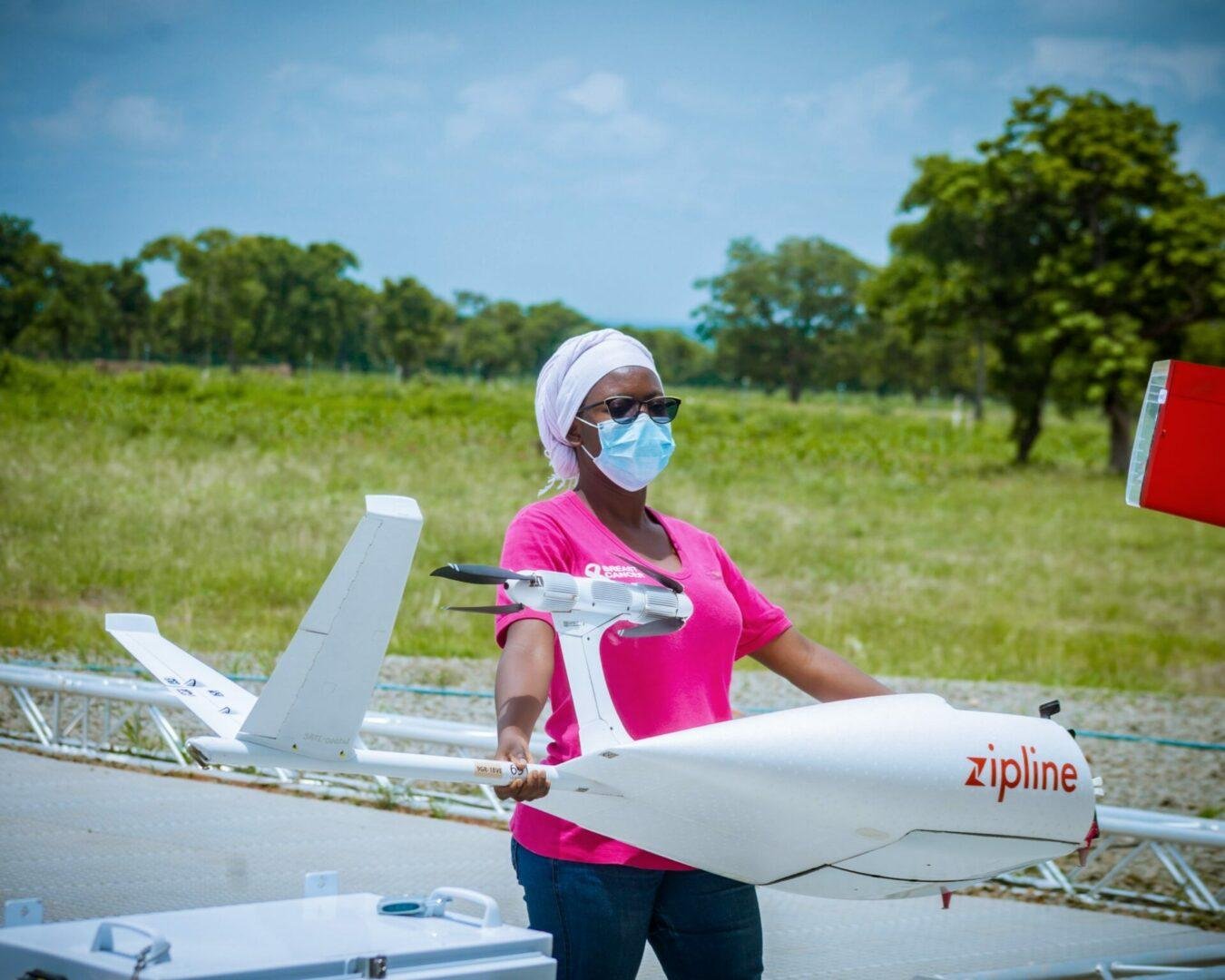
Kenya’s healthcare system is confronting a problem that money and medical expertise alone cannot solve: getting the right commodity to the right facility quickly enough.