










The BYD EV battery breakthrough also has broader implications for infrastructure development.



Kenyan businesses are facing a tax dilemma that goes beyond how much they pay to the government.
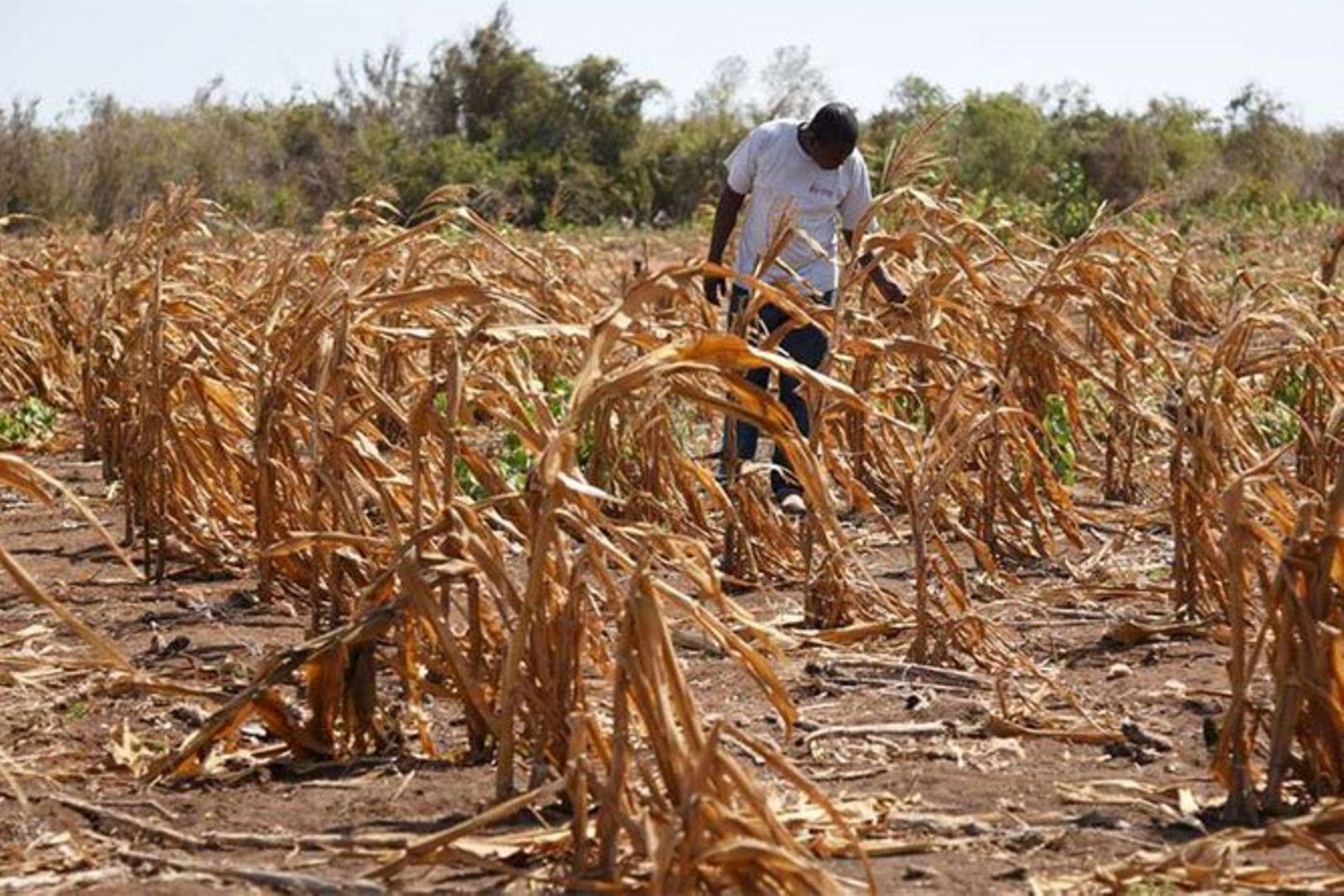
Kenya is preparing for another major intervention in the maize market, and the outcome could determine how much millions of households pay for unga in the coming months.

The most valuable thing a business can offer its customers is often the least exciting: reliability.

By Correspondent The High Court of Kenya in a landmark judgment has held that the Kenyan Government violates the Constitution when it stays silent in the face of a citizen’s

Kenya may not need to build another generation of expensive shopping malls to dominate Africa’s next retail revolution.

Kenya’s sugar industry is entering another critical phase as local millers push the government to impose tighter controls on imported sugar, warning that poorly timed shipments could undermine a fragile domestic recovery.
The BYD EV battery breakthrough also has broader implications for infrastructure development.

This surge in Ethiopia aviation growth reflects a broader shift in how African economies are leveraging connectivity to unlock trade, tourism, and investment.

Regulators maintain that enhanced monitoring is essential for ensuring fairness within the tax system.

Analysts caution that the sustainability of the NSE 2025 performance will depend on several factors.

The sharp rise in profitability was driven by strong growth across its flagship Mansa X funds and the newly launched Ziidi Money Market Fund, as the firm capitalised on increased investor appetite and active portfolio positioning in a tighter liquidity environment.

The Consumer Price Index increased from 149.20 in February to 150.00 in March, translating to a monthly inflation rate of 0.5 per cent, while the year-on-year rate stood at 4.4 per cent.

The Kenya Flower Council has warned that the situation is placing severe strain on one of the country’s most important export sectors, with losses already exceeding $4.2 million over the past three weeks due to shipment delays and reduced cargo capacity.

According to the Commonwealth Secretariat, this shift is having a direct impact on youth-focused spending.

This reliance introduces its own risks.

Africa stablecoin payments could become a foundational layer of the continent’s digital economy, especially as more enterprises adopt blockchain-based financial tools.