Now Reading: Is the Global Payments System Slowly Moving Beyond SWIFT and the Dollar
-
01
Is the Global Payments System Slowly Moving Beyond SWIFT and the Dollar



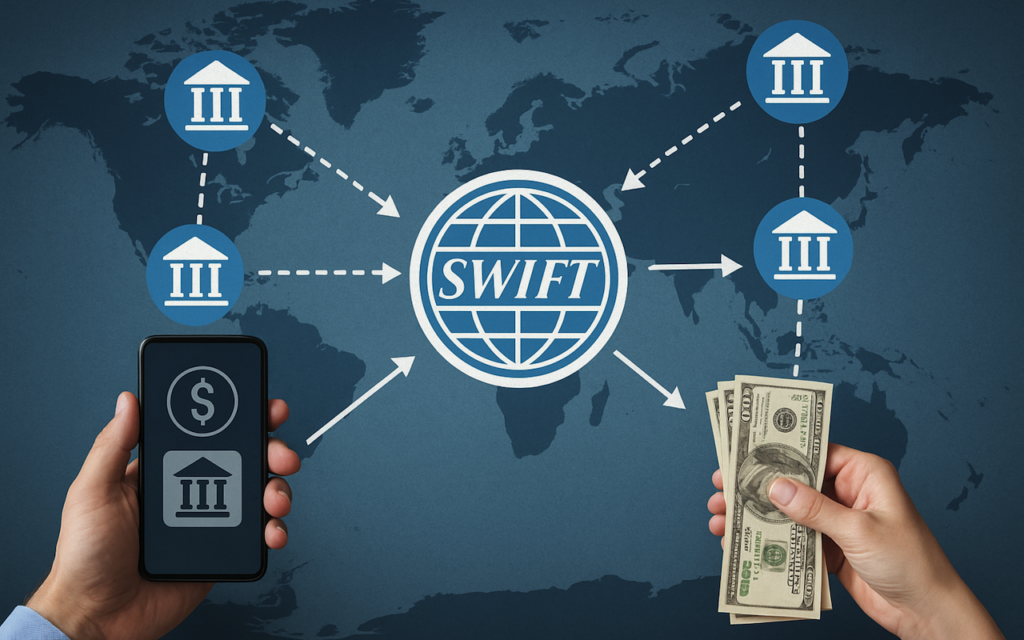
The global payments system is entering a phase of measured but meaningful transition as governments and financial institutions explore alternatives to SWIFT and expand the use of non-dollar settlement. While the Society for Worldwide Interbank Financial Telecommunication continues to underpin most cross-border transactions, a growing number of complementary platforms are emerging to lower costs, improve resilience, and manage geopolitical exposure. These developments signal a gradual reshaping of how money moves across borders, rather than a sudden disruption, according to data from the SWIFT network.
Why alternatives to the global payments system are gaining momentum
For decades, SWIFT has been the backbone of international banking, connecting more than 11,000 financial institutions across over 200 countries. Its scale, reliability, and integration with correspondent banking networks have made it indispensable to global trade and finance. However, recent geopolitical developments have highlighted the risks associated with dependence on a single global messaging infrastructure within the global payments system.
The debate intensified after some Russian banks were excluded from SWIFT following the invasion of Ukraine in 2022. That move demonstrated how access to the global payments system could become a geopolitical lever, prompting countries to reassess vulnerabilities linked to sanctions, political alignment, and external control. For many governments, the issue is no longer efficiency alone, but payment sovereignty and strategic autonomy.
Also Read: Blue-chip Stocks Lead Valuation Growth
China’s Cross-Border Interbank Payment System (CIPS) offers a prominent example of this shift. Launched in 2015 and supported by the People’s Bank of China, CIPS provides both messaging and clearing for transactions denominated in renminbi. It now connects more than 1,500 institutions in over 100 countries and plays a growing role in facilitating trade and investment flows tied to China.
Russia’s System for Transfer of Financial Messages (SPFS), developed after 2014, reflects a similar motivation. While SPFS is primarily focused on domestic settlement and has limited international reach, its expansion underscores a broader trend of countries seeking fallback options within the global payments system.
Beyond national initiatives, regional efforts are also taking shape. BRICS Pay aims to facilitate cross-border transactions using member currencies, while Asia and Africa are experimenting with linking domestic instant payment systems, such as India’s Unified Payments Interface, to support remittances and regional trade. Together, these initiatives indicate a growing appetite for diversification rather than outright replacement.
What the evolving global payments system means for the dollar and global finance
The emergence of alternative payment rails is closely tied to broader efforts to reduce reliance on the U.S. dollar. Although the dollar remains dominant in global trade, reserves, and cross-border payments, several countries are increasingly settling bilateral trade in local currencies and exploring digital assets as part of long-term diversification strategies.
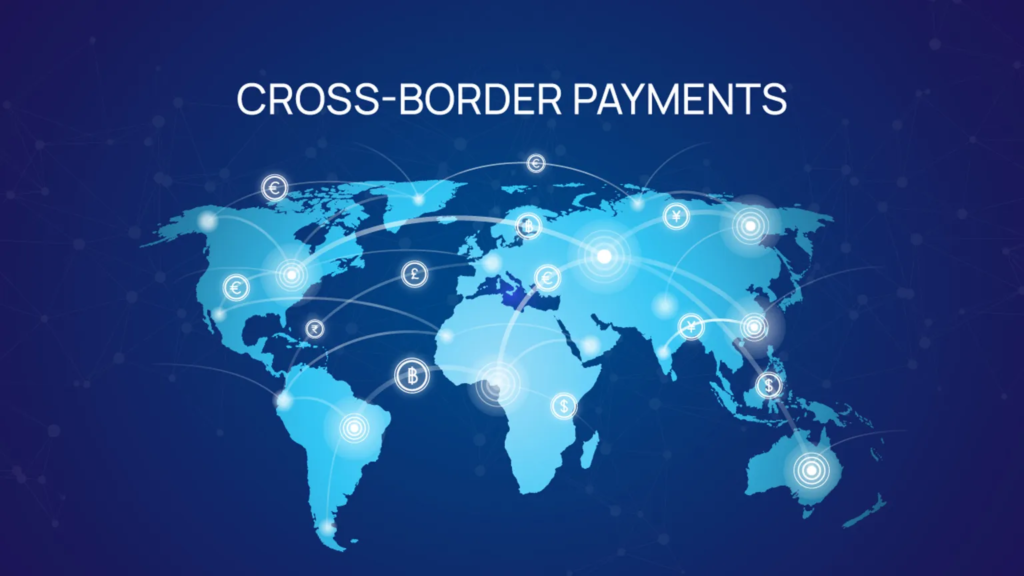
This does not signal the end of dollar dominance. Instead, it reflects a more fragmented global payments system where different currencies and settlement mechanisms coexist. For businesses, this means greater choice but also higher complexity, as firms must navigate multiple standards, compliance regimes, and settlement processes.
Notably, SWIFT is not standing still. The organization is exploring blockchain-based enhancements and interoperability solutions aimed at improving transaction speed, transparency, and cost efficiency. These efforts suggest that the future of the global payments system will be hybrid rather than disruptive, combining established infrastructure with newer technologies.
Rather than a sudden break from the existing order, the global payments system appears to be layering alternatives alongside SWIFT, each serving specific corridors, currencies, and use cases. Driven by efficiency, geopolitical risk management, and digital innovation, this evolution points toward a financial architecture that prioritizes resilience and flexibility over singular dominance.
Previous Post
Next Post