Now Reading: New Isuzu Cars Over 25% Cheaper Than Imports Following Government Deal
-
01
New Isuzu Cars Over 25% Cheaper Than Imports Following Government Deal



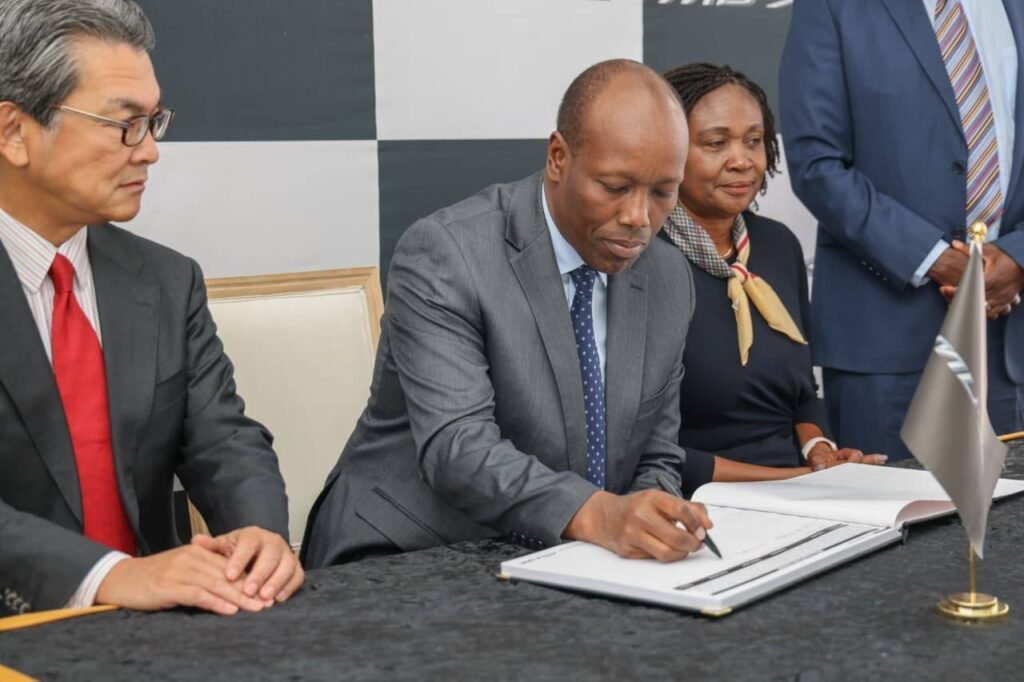
Kenyans could soon purchase brand-new vehicles at prices comparable to, or even lower than, imported used cars, following a landmark local assembly agreement signed with Isuzu East Africa.
Trade Cabinet Secretary Lee Kinyanjui announced the deal on February 2, highlighting its potential to reshape the country’s automotive market.
“For the first time, Kenyans can access a brand-new, zero-mileage vehicle at a price they have traditionally paid for a used import”, Kinyanjui wrote on his social media platforms.
Locally assembled models are set to retail at KSh 9.9 million, down 27% from the previous price of KSh 13.5 million for fully built imported units. The price reduction reflects the tax incentives offered to local assemblers, government-backed financing programs, and efforts to increase domestic manufacturing of vehicle components.
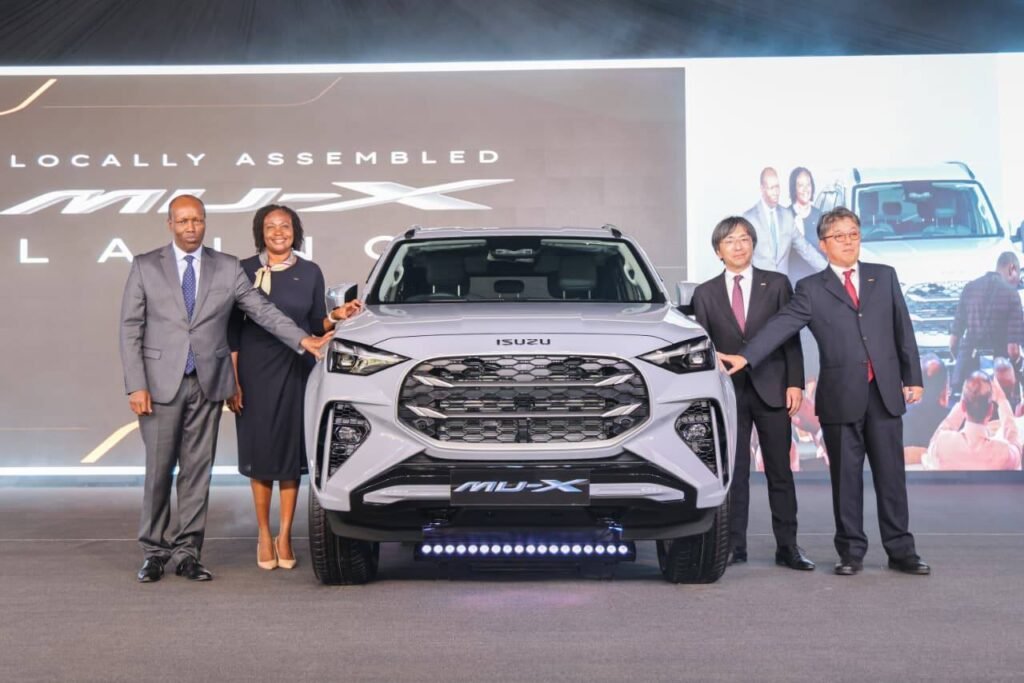
The initiative positions Kenya as the first country outside Thailand to locally assemble the Isuzu MU-X, a luxury SUV popular across Asia.
“This shift is already taking shape, and we congratulate Isuzu for putting Kenya on the global map as the first country to manufacture the MU-X model outside Thailand,” Kinyanjui added, noting the broader role of the government’s Automotive Policy in transforming Kenya from a used-vehicle market to a brand-new vehicle market.
Isuzu Deal Demonstrates Increased Government Support for Automotive Sector
The government is also promoting higher local output through targeted tax breaks.
Under the deal, vehicles assembled with more locally sourced parts qualify for better tax incentives, providing an added boost for local suppliers and industries.
“The government’s leasing programme is encouraging local assembly and parts manufacturing, with vehicles that have higher local content enjoying better tax incentives,” Kinyanjui disclosed.
Industry and diplomatic leaders attended the launch, including Junichi Kubo, President of Isuzu Motors International; Rita Kavashe, Managing Director of Isuzu East Africa; H.E. Hiroshi Matsuura, Ambassador of Japan to Kenya; and Dr. Juma Mukhwana, Principal Secretary in the Ministry of Industry. Their presence underscored the strategic importance of the project for Kenya’s automotive sector and its broader industrial ambitions.
The locally assembled MU-X is expected to challenge Kenya’s long-standing reliance on imported second-hand vehicles, which have dominated the market for decades. Many Kenyans have historically opted for eight-year-old used cars from Japan, citing affordability. With the MU-X now locally available at a lower price than these used imports, the narrative may just begin to shift.
“The myth that imported is cheaper has been shattered,” said Rita Kavashe, Isuzu East Africa Managing Director. “We are bringing the MU-X closer to the people, offering a brand-new vehicle with warranty and quality assurance at prices previously reserved for used imports.”
Economic Impact and Industrial Growth
The economic impact of local assembly is expected to extend beyond consumer savings. By sourcing parts locally and expanding assembly operations, the initiative will generate employment for welders, painters, logistics workers, and small and medium enterprise (SME) suppliers feeding the assembly lines. This creates a ripple effect that strengthens Kenya’s industrial base and keeps more value within the country.
Additionally, the pricing of the locally assembled MU-X could be significant for other motor-vehicle brands as well. By slashing prices for new cars by an estimated 27%, other brands will be compelled to reconsider pricing strategies if they are to stay competitive.
As such, the Isuzu deal could mark the beginning of a broader transformation in the automotive market, as more manufacturers are encouraged to establish local assembly and leverage tax incentives and lower production costs.
Kinyanjui emphasised that this development is not just about cars, highlighting the long-term vision for industrialisation and economic growth. The launch is a clear signal that the country is moving toward a more industrialised, value-retaining economy, where consumers benefit from innovation, affordability, and quality.
For Kenyan car buyers, the road ahead looks promising.
See Also: Kenya’s Economic Growth 2026 Signals Cautious Recovery – Business News
Previous Post
Next Post