
Now Reading: Africa’s flight delays expose a costly gap in aviation infrastructure
-
01
Africa’s flight delays expose a costly gap in aviation infrastructure
Africa’s flight delays expose a costly gap in aviation infrastructure

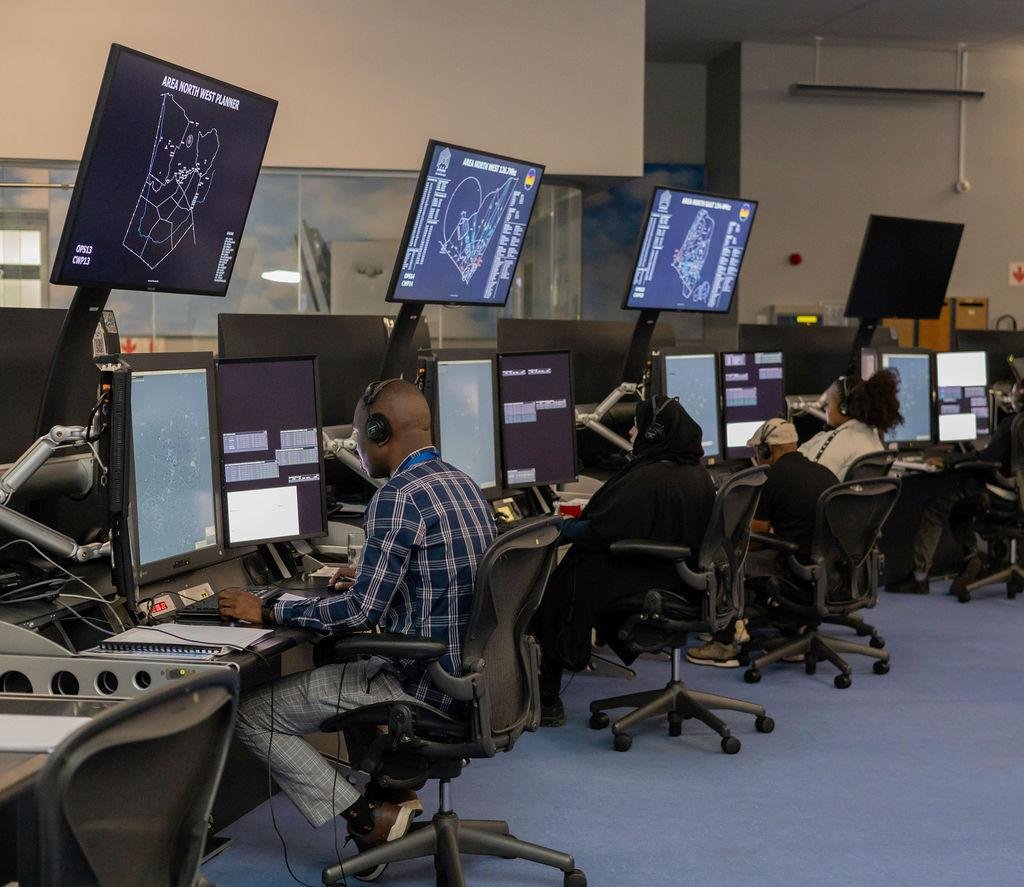

Africa’s aviation growth could be undermined by an infrastructure problem that passengers rarely see: the systems responsible for managing aircraft movements through the skies. Outdated air traffic systems, fragmented coordination, and inefficient flight routes can increase delays, fuel consumption, and operating costs for airlines. Improving air traffic management in Africa could therefore deliver economic benefits well beyond airports, helping airlines operate more efficiently while making business travel, tourism, and regional trade more reliable. As African economies seek deeper integration, investment in modern navigation technology and coordinated airspace management is becoming an important part of the continent’s competitiveness agenda.
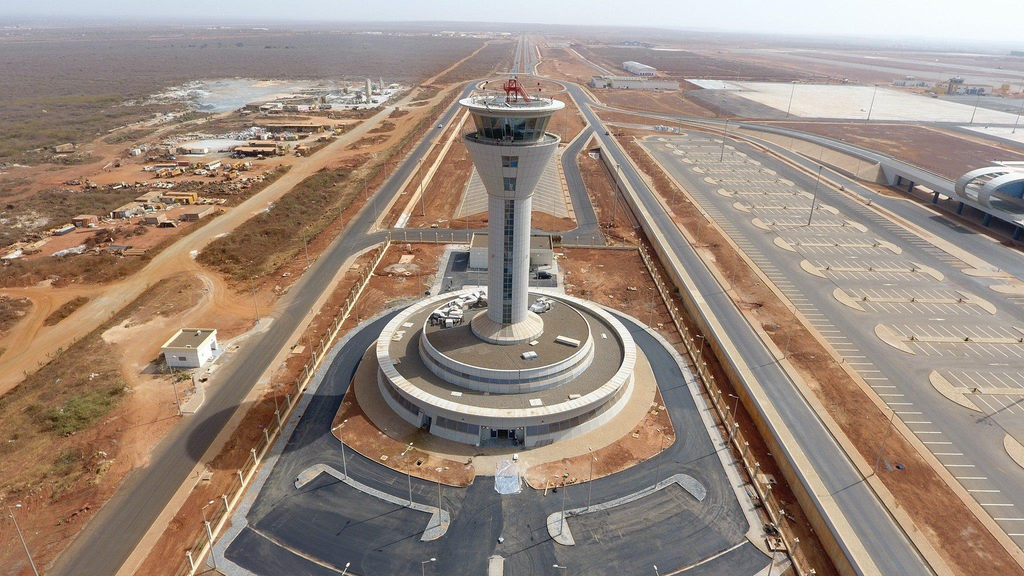
Air traffic management in Africa must catch up with demand
The urgency was highlighted at the CANSO Africa Conference 2026 in Nairobi, where aviation industry leaders called for investment in modern air traffic management and stronger coordination between countries. Discussions focused on implementing the Mombasa Air Traffic Flow Management Roadmap, which seeks to improve the coordination of aircraft movements across African airspace.
The stakes are considerable. The International Air Transport Association estimates that African aviation demand could grow by 4.1% annually over the next 20 years, reaching 411 million passengers. Yet African airlines face substantial cost disadvantages, with fuel, maintenance, and fragmented markets all contributing to higher operating expenses.
Modern surveillance, digital information exchange, and air traffic flow management could help reduce avoidable holding patterns, improve flight planning, and make better use of available airspace. These gains depend on cooperation: aircraft cross national borders, but air navigation systems and procedures do not always work seamlessly together.
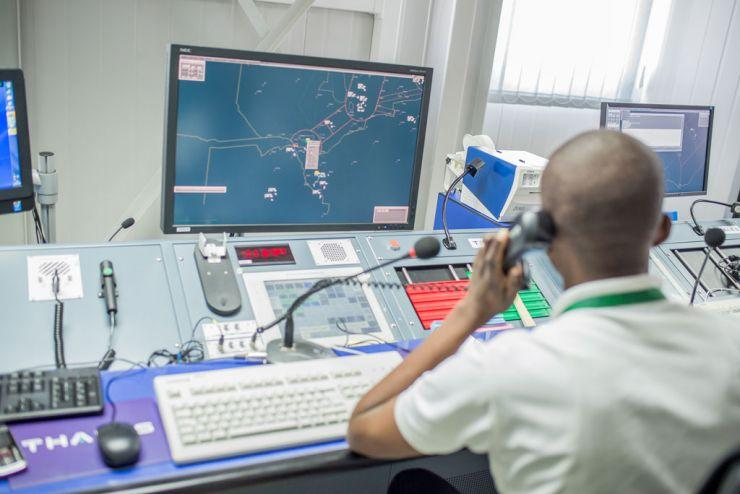
Air traffic management in Africa creates an investment opportunity
Modernization requires more than purchasing new technology. Countries also need trained controllers and technical personnel, compatible systems, reliable communications, updated procedures, and financing models that support long-term maintenance.
For governments, airlines, airport operators, and investors, the opportunity extends to digital aviation infrastructure, communications equipment, surveillance systems, and regional coordination services. Better airspace efficiency could also reduce unnecessary fuel burn and emissions, although the benefits will depend on implementation and operational conditions.
Also Read: Africa’s tourism opportunity lies in keeping more money at home
The economic implications reach beyond aviation. More predictable flights can support business travel, tourism, time-sensitive cargo, and regional supply chains. For companies operating across borders, reliable connectivity makes it easier to reach customers, deploy technical teams, and coordinate investments.
Africa’s aviation challenge is therefore not simply about building more airports or adding routes. It is about making the existing network work more efficiently while preparing for future demand. Air traffic management in Africa may not be as visible as a new terminal, but it is essential infrastructure for a more connected and competitive continent.
Related Posts

Previous Post
Next Post




Pingback: Kenya’s forgotten fruits could become a multibillion-shilling business