Now Reading: Immersive fitness is turning exercise into an experience
-
01
Immersive fitness is turning exercise into an experience

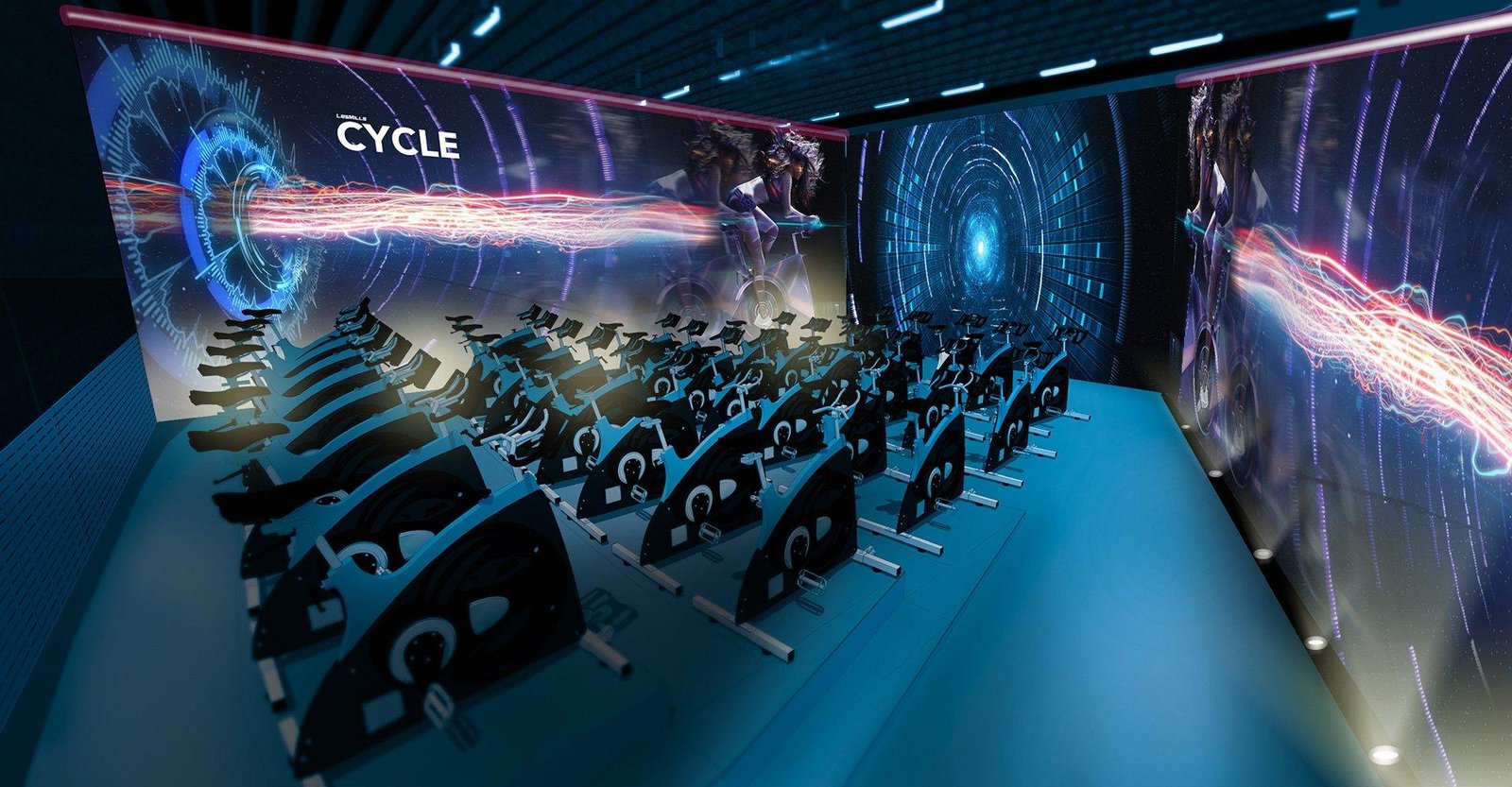

The next generation of fitness equipment may not compete on how fast it spins, how heavy it lifts, or how many programmes it offers. It may compete on how convincingly it transports users somewhere else. Immersive fitness technology is beginning to transform conventional exercise machines into digital environments, with large curved displays capable of placing cyclists inside simulated roads, forests, and other outdoor landscapes. The concept points to a broader shift in the fitness industry: consumers are increasingly buying experiences rather than equipment. For gyms, hotels, wellness centers, and equipment manufacturers, that could create a new competitive frontier where technology becomes part of the environment rather than simply another feature on a machine.
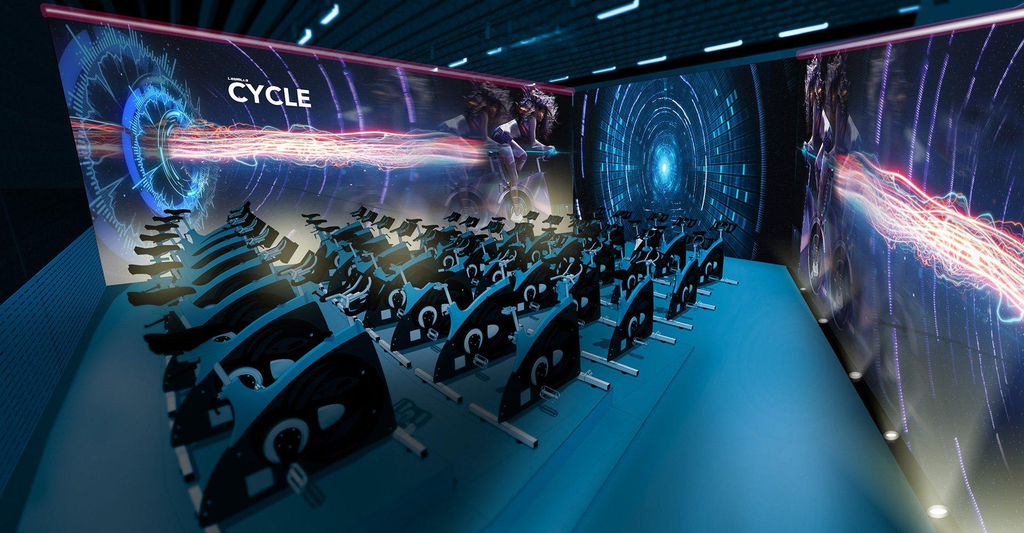
Immersive fitness technology could change what consumers expect from gyms
The commercial significance extends beyond visual entertainment. Immersive fitness technology can address one of the oldest problems in exercise: boredom. Repetitive workouts are difficult to sustain when the environment never changes, particularly for people who prefer outdoor activities but cannot always cycle or run outside because of weather, safety, traffic, or time constraints.
A simulated journey can turn a stationary bike into something closer to an attraction. Riders could move through forests, cities, mountains, or coastal roads while their workout responds to virtual terrain. The result is a product that combines fitness, gaming, entertainment, and travel simulation.
For fitness operators, that distinction matters. A gym equipped with conventional machines competes largely on location, price, and equipment quality. An immersive facility can compete on experience, potentially giving customers another reason to visit regularly and remain subscribed.
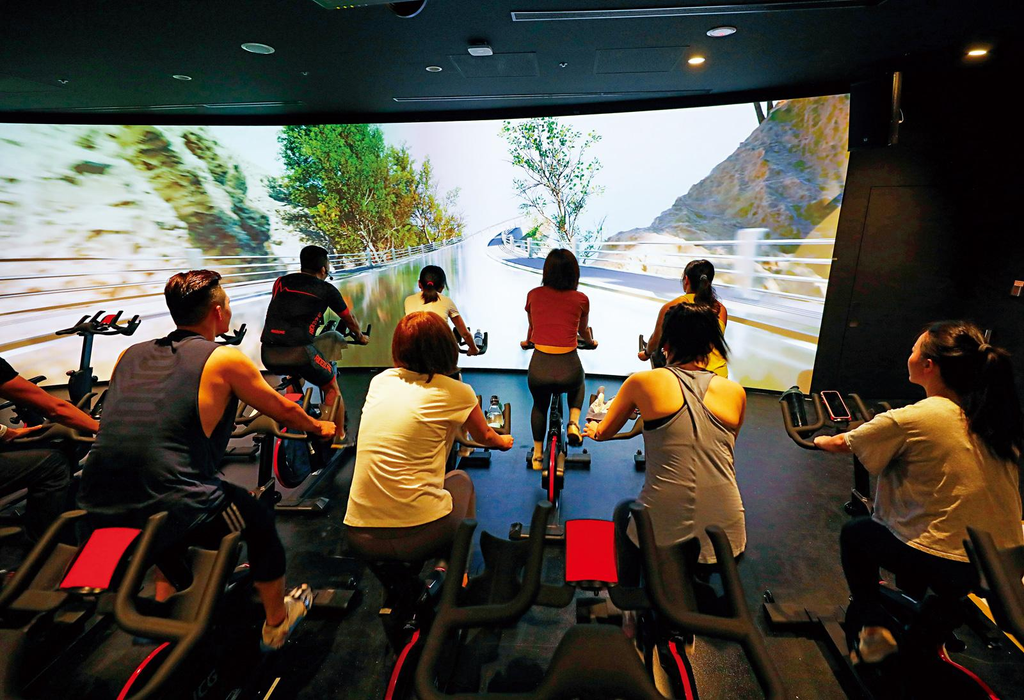
Immersive fitness technology creates new opportunities for the wellness economy
The commercial opportunity for immersive fitness technology could extend well beyond traditional gyms. Hotels could use immersive cycling rooms as premium wellness amenities. Residential developments could incorporate them into fitness facilities. Corporate wellness programmes could use interactive environments to make exercise more engaging for employees.
Equipment manufacturers also have an opportunity to move from selling hardware to developing recurring digital services. Virtual routes, instructor-led experiences, competitive challenges, and personalized training programmes could create subscription-based revenue alongside the initial equipment sale.
For African markets, the opportunity will depend on affordability, connectivity, and local content. A premium immersive gym may initially target high-income consumers, hotels, and corporate wellness providers, but lower-cost versions could eventually make interactive training more accessible.
There is also a potential role for African landscapes and tourism. Imagine a cyclist in Nairobi virtually travelling through the Maasai Mara, cycling along the Kenyan coast or climbing a simulated mountain route while receiving real-time performance feedback. Fitness technology could become a platform for showcasing destinations as well as improving physical activity.
The larger business lesson is that the fitness industry is moving from machines to experiences.
Consumers do not necessarily want another piece of equipment occupying space in a room. They want motivation, entertainment, progress, and something worth returning to.
The companies that understand that shift could find themselves competing not just in fitness, but across wellness, entertainment, hospitality, and digital experiences.
The future of cardio may therefore be less about escaping the gym—and more about making the gym feel like somewhere worth exploring.
Previous Post
Next Post