





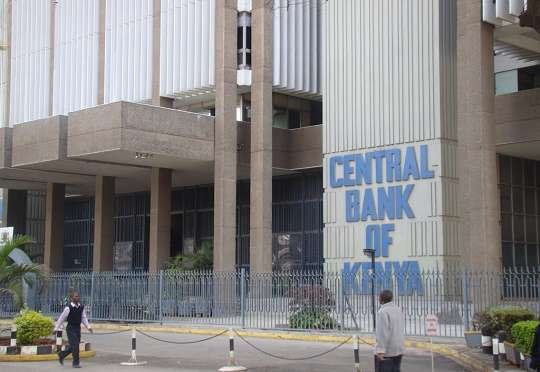
A proposed CMA annual fee structure could see top asset managers pay up to Sh339 million annually — dramatically reshaping cost dynamics in the sector.


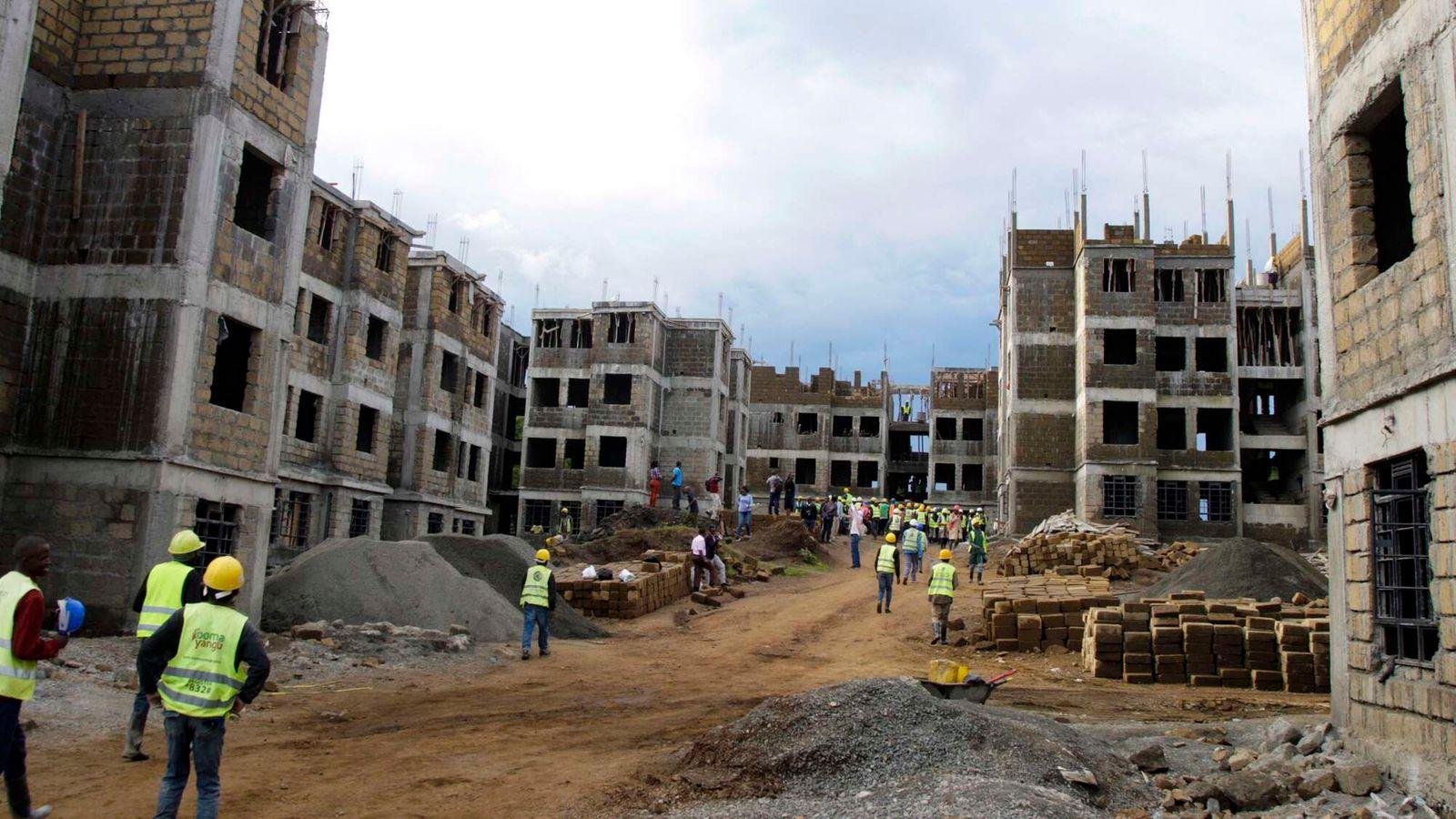
For millions of Kenyan households, paying rent is no longer simply a monthly expense; it is becoming a choice between shelter and other necessities.
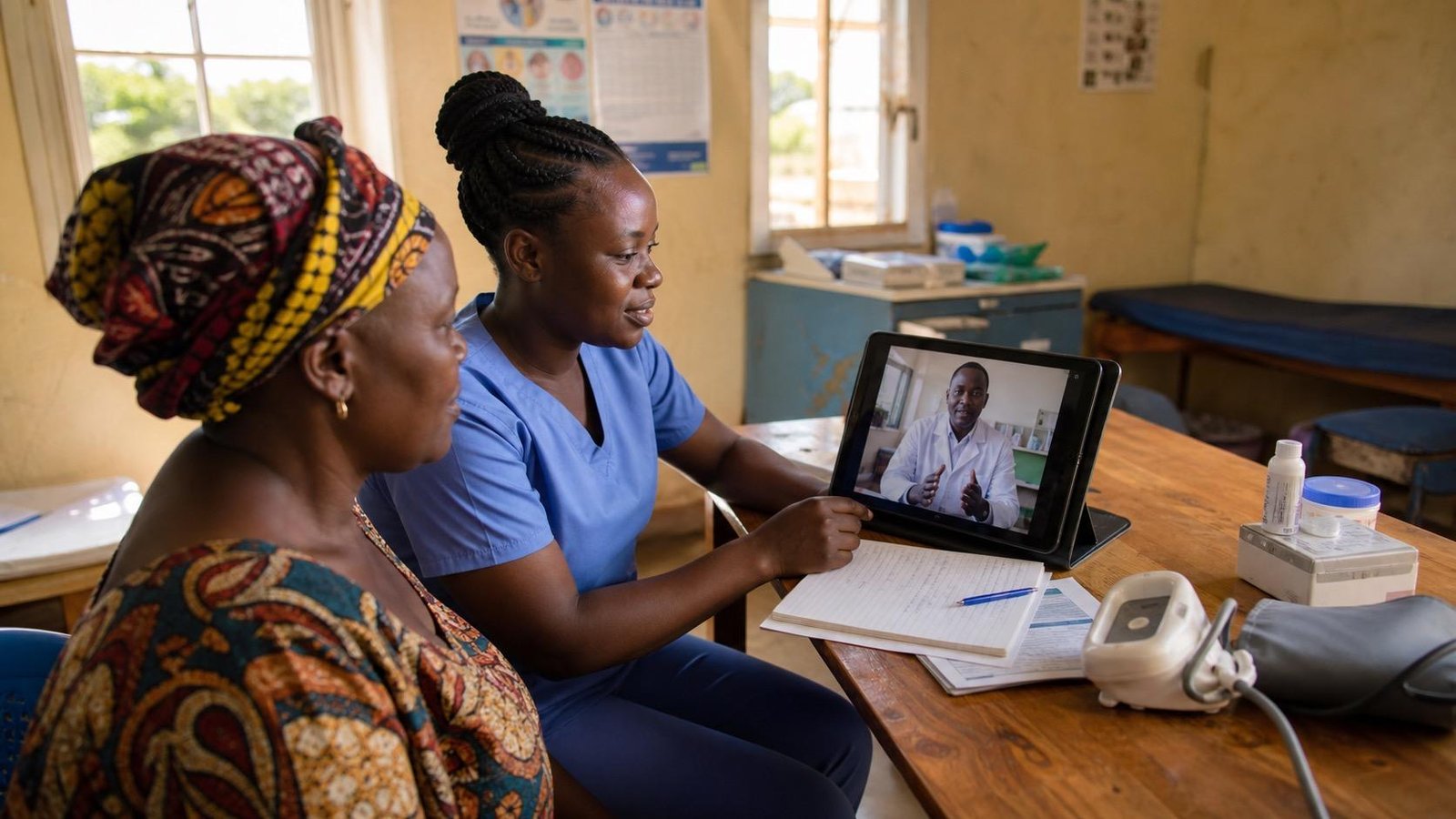
For millions of people living far from major hospitals, distance can still determine how quickly they receive medical care.

A company can have an ambitious strategy, sophisticated dashboards, and clearly defined targets yet still struggle to deliver results.
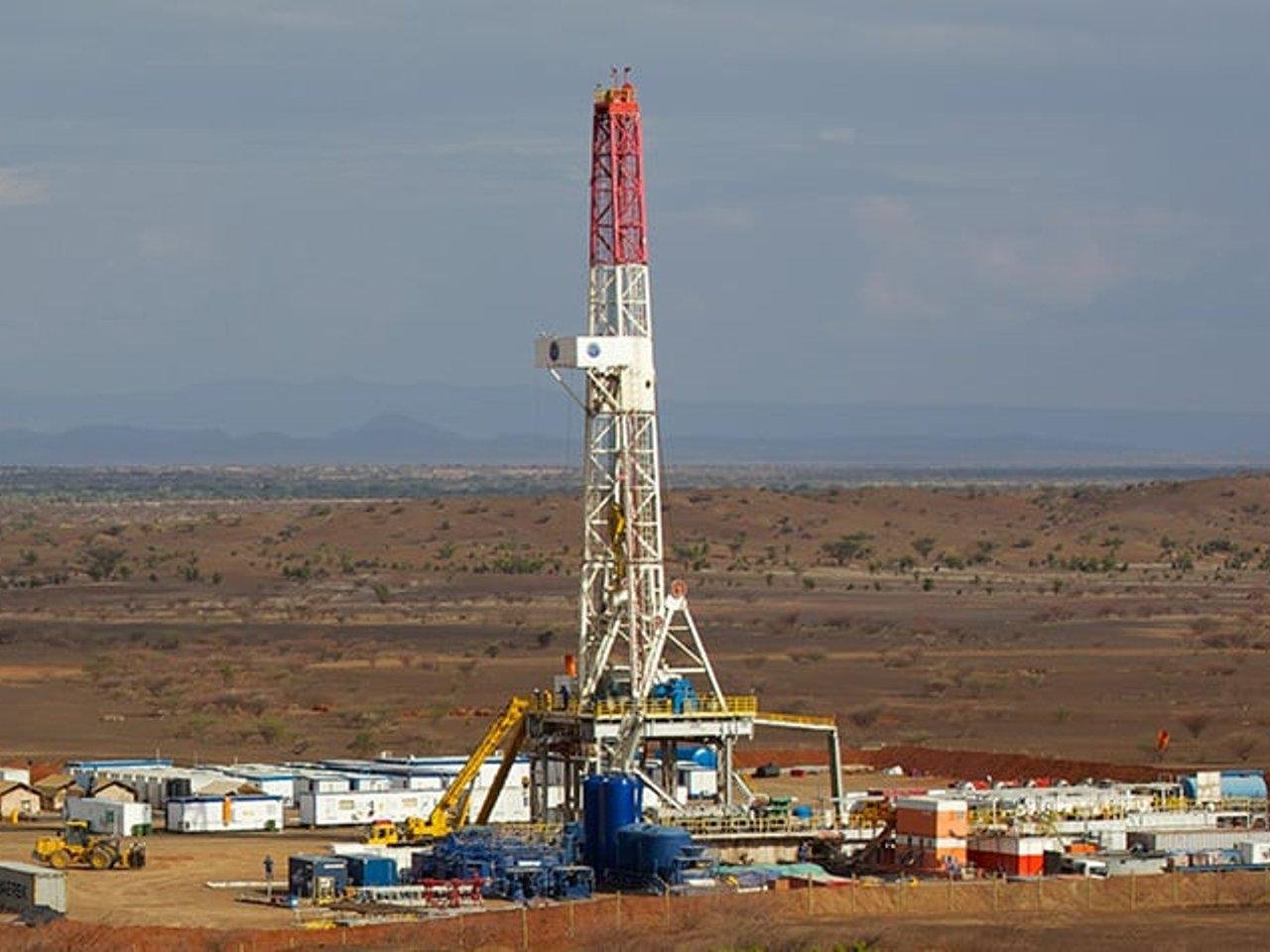
Kenya’s petroleum sector is entering a decisive phase, and the next few months could reshape the country’s energy employment market.

Healthcare has digitized enormous amounts of information, but more data has not necessarily produced better decisions.

Artificial intelligence is moving from advising clinicians to taking actions on their behalf, creating a new question for the healthcare industry: how much autonomy should a clinical AI agent have?
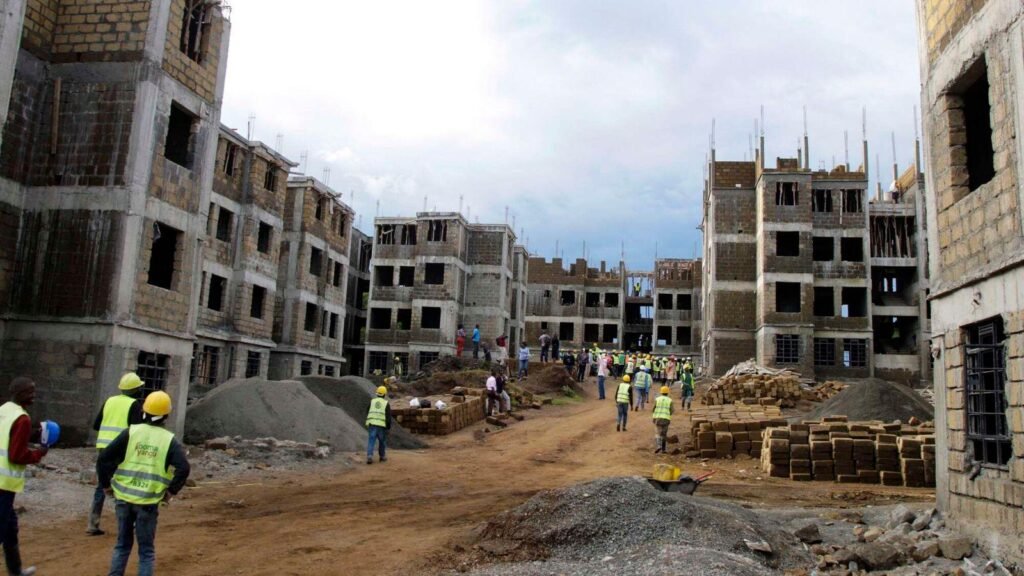
For millions of Kenyan households, paying rent is no longer simply a monthly expense; it is becoming a choice between shelter and other necessities.
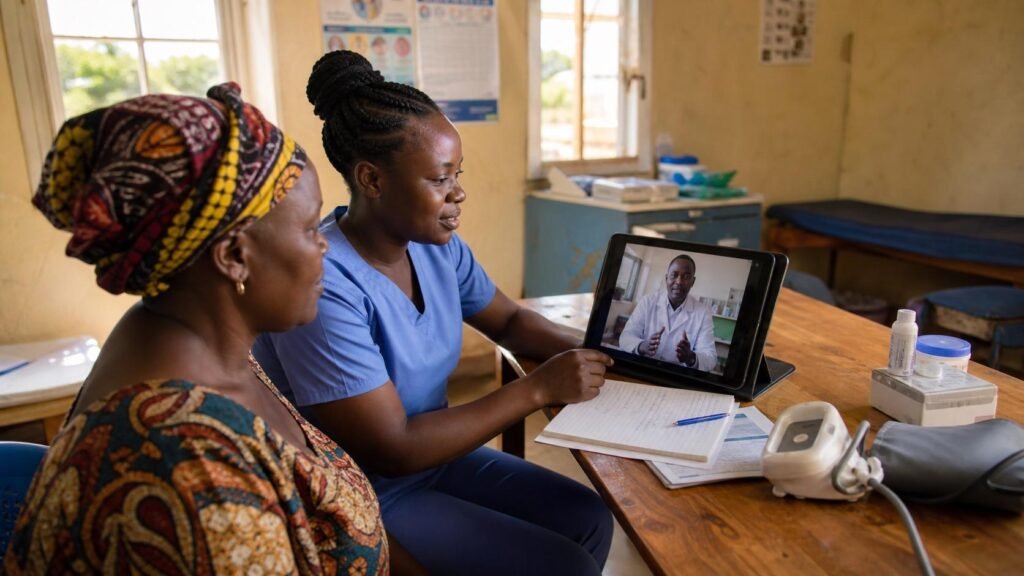
For millions of people living far from major hospitals, distance can still determine how quickly they receive medical care.

A company can have an ambitious strategy, sophisticated dashboards, and clearly defined targets yet still struggle to deliver results.

Kenya’s petroleum sector is entering a decisive phase, and the next few months could reshape the country’s energy employment market.
Healthcare has digitized enormous amounts of information, but more data has not necessarily produced better decisions.

Artificial intelligence is moving from advising clinicians to taking actions on their behalf, creating a new question for the healthcare industry: how much autonomy should a clinical AI agent have?
For millions of Kenyan households, paying rent is no longer simply a monthly expense; it is becoming a choice between shelter and other necessities.
For millions of people living far from major hospitals, distance can still determine how quickly they receive medical care.
A company can have an ambitious strategy, sophisticated dashboards, and clearly defined targets yet still struggle to deliver results.
Kenya’s petroleum sector is entering a decisive phase, and the next few months could reshape the country’s energy employment market.
Healthcare has digitized enormous amounts of information, but more data has not necessarily produced better decisions.
Artificial intelligence is moving from advising clinicians to taking actions on their behalf, creating a new question for the healthcare industry: how much autonomy should a clinical AI agent have?
For millions of Kenyan households, paying rent is no longer simply a monthly expense; it is becoming a choice between shelter and other necessities.
For millions of people living far from major hospitals, distance can still determine how quickly they receive medical care.
A company can have an ambitious strategy, sophisticated dashboards, and clearly defined targets yet still struggle to deliver results.
Kenya’s petroleum sector is entering a decisive phase, and the next few months could reshape the country’s energy employment market.
Healthcare has digitized enormous amounts of information, but more data has not necessarily produced better decisions.
Artificial intelligence is moving from advising clinicians to taking actions on their behalf, creating a new question for the healthcare industry: how much autonomy should a clinical AI agent have?
A proposed CMA annual fee structure could see top asset managers pay up to Sh339 million annually — dramatically reshaping cost dynamics in the sector.

The Kenya online gaming industry is experiencing a powerful transformation driven by rapid smartphone adoption, faster internet connectivity, and seamless mobile payment systems. What was once largely confined to desktop

Kenya macadamia exports are at a turning point.
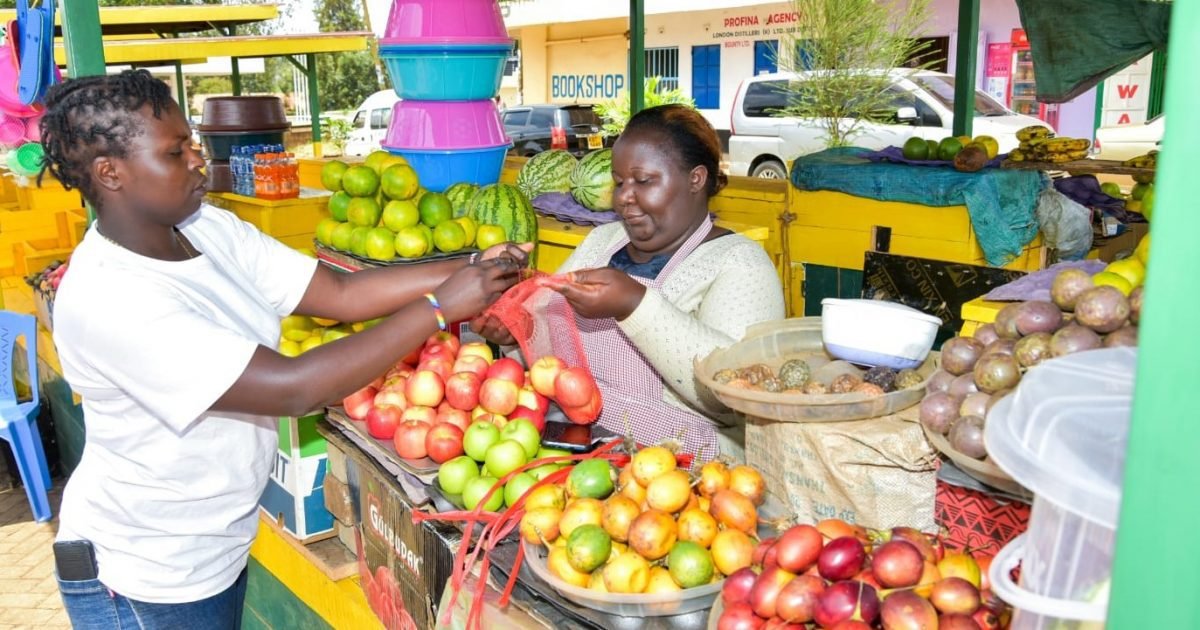
Kenya’s small and medium-sized enterprises (SMEs) are poised for a significant financing uplift following plans by the International Finance Corporation to roll out a Sh6.7 billion funding facility targeting underserved businesses. The proposed IFC Sh6.7bn fund is designed to expand credit access for smaller firms grappling with tight liquidity conditions, high borrowing costs, and limited collateral. With SMEs accounting for the majority of businesses and a substantial share of employment in Kenya, the facility is expected to strengthen enterprise resilience, support expansion, and stimulate job creation. Analysts say the move comes at a critical time as entrepreneurs navigate a challenging economic environment marked by elevated financing costs and shifting consumer demand. The funding will reportedly be channeled through financial intermediaries to enhance lending capacity to small businesses, many of which remain excluded from traditional bank financing due to perceived risk profiles. The initiative underscores IFC’s broader strategy of deepening financial inclusion and catalyzing private sector growth in emerging markets. IFC Sh6.7bn Fund to Expand Credit Access for SMEs The IFC Sh6.7bn fund aims to bridge Kenya’s persistent SME financing gap, estimated in billions of shillings annually. Many small businesses face hurdles in accessing affordable credit, often relying on informal borrowing or short-term expensive facilities that constrain long-term growth planning. By partnering with local financial institutions, IFC intends to strengthen on-lending capacity while improving risk assessment mechanisms tailored to smaller enterprises. This approach could enable banks and non-bank lenders to extend more structured loans with longer tenors and competitive pricing. Financial sector analysts argue that such blended finance initiatives are essential in unlocking SME potential. “Targeted credit facilities like the IFC Sh6.7bn fund can de-risk lending to small businesses and crowd in additional private capital,” said economist Peter Ndungu. “This not only supports enterprise growth but also enhances overall economic resilience.” The facility may particularly benefit businesses in trade, manufacturing, agribusiness, and services — sectors that form the backbone of Kenya’s economic activity yet often struggle to secure growth capital. Strategic Implications of the IFC Sh6.7bn Fund for Kenya’s Economy Beyond direct credit access, the IFC Sh6.7bn fund carries broader economic implications. SMEs contribute significantly to employment creation and income generation, making their financial stability central to inclusive growth. Improved access to structured financing can enable businesses to invest in technology upgrades, expand production capacity, hire additional staff, and formalize operations. This, in turn, could strengthen tax revenues and improve overall productivity. Kenya’s financial ecosystem has witnessed tightening liquidity conditions in recent years, with lenders adopting more cautious risk frameworks. Against this backdrop, IFC’s intervention is seen as a stabilizing mechanism that can unlock momentum within the private sector. However, experts caution that effective deployment will depend on transparent governance, efficient disbursement mechanisms, and robust monitoring to ensure funds reach genuinely productive enterprises rather than being concentrated among already banked firms. If successfully implemented, the IFC Sh6.7bn fund could mark a pivotal moment in Kenya’s SME financing landscape, reinforcing confidence among entrepreneurs and signaling renewed international support for the country’s private sector growth agenda.
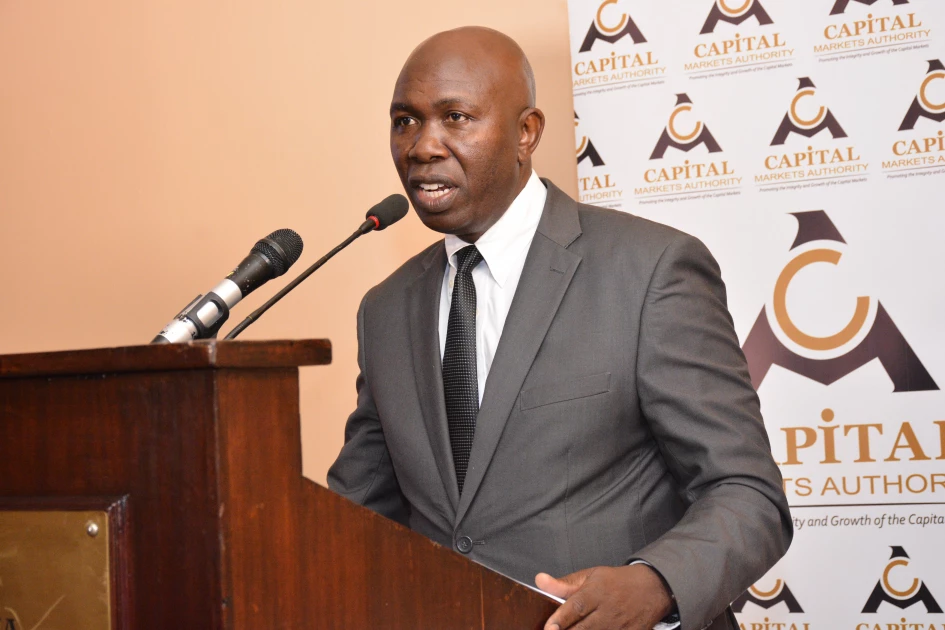
CMA has moved to bring robo-advisors and digital investment platforms into its licensing framework, responding to an explosion in app-based trading among tech-savvy Kenyans and marking a significant expansion of regulatory oversight over the country's rapidly digitizing investment landscape.

The master plan addresses every facet of JKIA operations. A second runway is targeted for completion by 2029, alongside wider airfield upgrades designed to increase declared capacity to approximately 63 aircraft movements per hour, a dramatic improvement from the current 14 movements per hour.

Under the partnership agreement, KIPPRA will conduct an in-depth, evidence-based assessment of KTDA's governance instruments, tea marketing frameworks, and operational guidelines. The review aims to identify policy gaps, update outdated provisions, clarify compliance obligations, and strengthen accountability mechanisms.

Lenacapavir, known as LEN, is administered subcutaneously every six months after initiation.

The Bank of Uganda has announced it will commence domestic gold purchases this month, targeting at least 100 kilograms between March and June 2026, as the East African nation moves to diversify its foreign exchange reserves and capitalize on record-high global gold prices.

The COMESA Competition and Consumer Commission has approved Vodacom's Sh272 billion bid to increase its stake in Safaricom to 55 percent, ruling that the transaction is unlikely to substantially lessen competition or harm public interest within the Common Market.