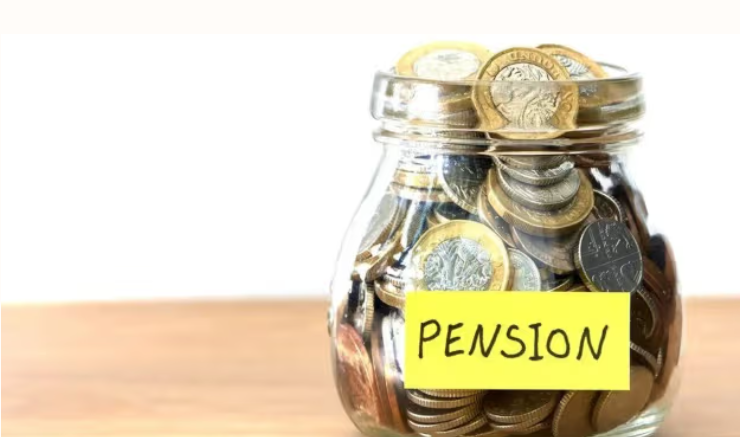
Kenyan workers may soon access a portion of their pension savings before retirement.
Kenyan workers may soon access a portion of their pension savings before retirement.

The deeper problem is that conventional measures of prosperity tend to emphasize income and consumption while households care about something broader: income, assets, security, time, and freedom from unavoidable expenditure.
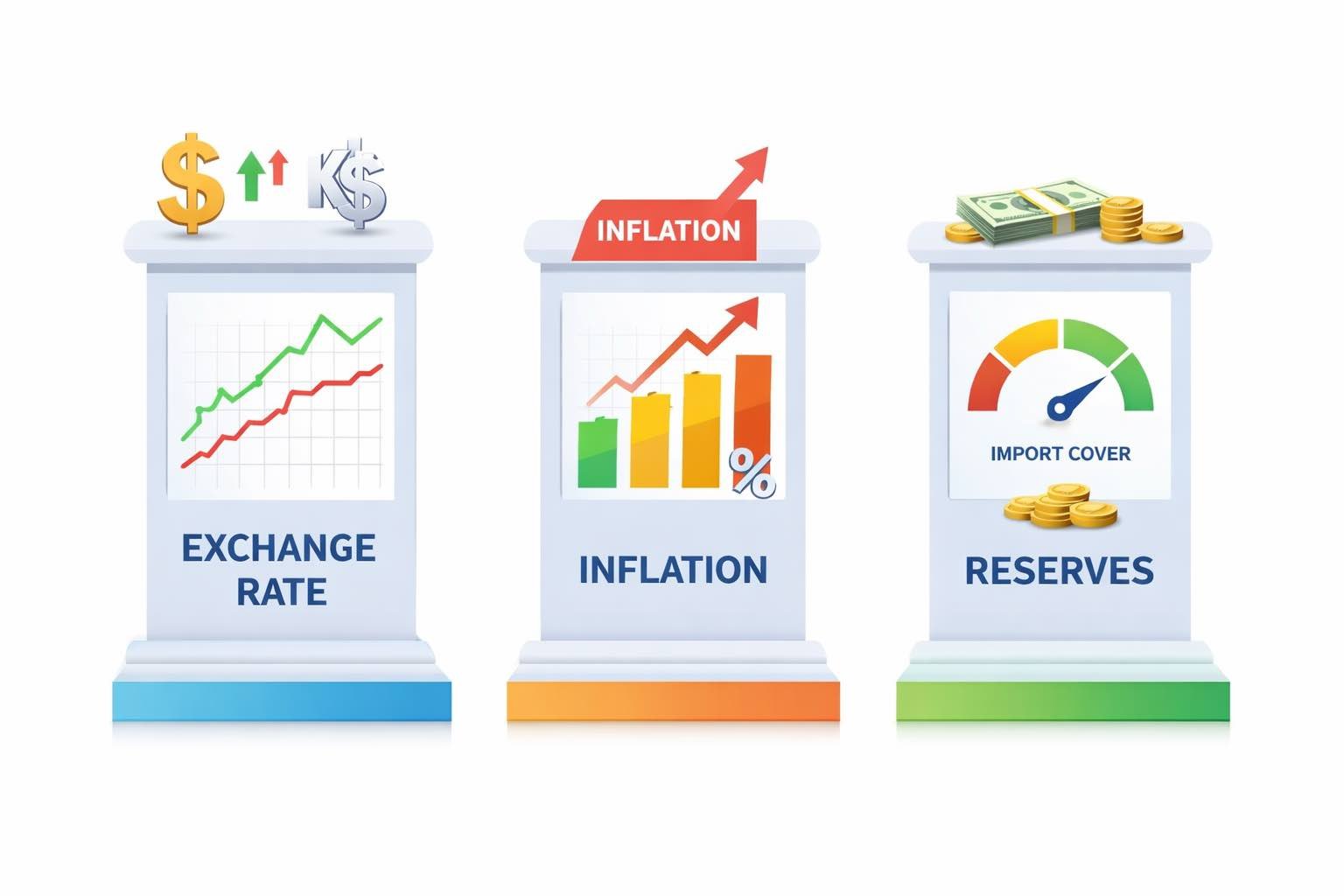
The Kenyan shilling is facing renewed pressure as escalating conflict in the Middle East strengthens the US dollar and disrupts global financial markets. Analysts warn that the currency could weaken by between 8% and 30% if geopolitical tensions persist and capital continues to flow into safe-haven assets. A weaker shilling would significantly increase the cost of imports, fuel and debt servicing for the country. The Kenyan shilling Middle East war impact is emerging as a major concern for policymakers and businesses. Kenyan Shilling Middle East War Pressure Builds From Dollar Strength The Kenyan shilling Middle East war scenario is being driven largely by the strengthening of the United States Dollar, which investors are turning to amid global uncertainty. Historically, geopolitical conflicts push investors toward safer assets such as the dollar, causing emerging market currencies to weaken. For Kenya, a stronger dollar increases the cost of imports including fuel, machinery and raw materials, all of which are priced in foreign currency. This dynamic puts immediate pressure on the shilling, particularly as the country relies heavily on imports to support key sectors of the economy. Analysts say continued volatility in global markets could accelerate the depreciation of the local currency, especially if capital outflows increase. Import Costs, Debt and Inflation Risks Set to Rise The broader Kenyan shilling Middle East war impact could have far-reaching consequences for the economy. A weaker currency would make essential imports more expensive, leading to higher fuel prices and increased costs for goods and services across the country. This could drive inflation upward, affecting household purchasing power and business profitability. At the same time, Kenya’s external debt burden could become more expensive to service, as repayments denominated in dollars would require more local currency. Economists warn that these combined pressures could slow economic growth and complicate fiscal planning. Institutions such as the Central Bank of Kenya may be forced to intervene through monetary policy measures to stabilize the currency and control inflation. Experts say that while the situation depends heavily on how long the Middle East conflict lasts, the risks to the shilling remain significant. “If global uncertainty persists, emerging market currencies like the shilling are likely to remain under pressure,” analysts note. With global investors closely watching geopolitical developments, the Kenyan shilling Middle East war trend underscores how external shocks can quickly impact local currency stability.

Kenya’s electric mobility ecosystem just received a major vote of confidence.

The landmark pact grants Nigerian exporters duty-free access to the UAE and opens new channels for investment.

The broker behind the planned Kenya Pipeline Company listing has secured a massive payout tied to milestones in the KPC IPO process.
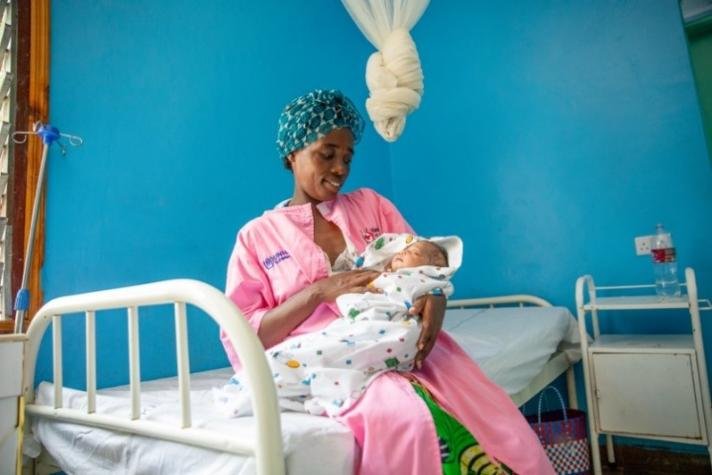
Swedfund, Swedens development finance institution has committed $600,000 (approximately KSh 77 million) to Jacaranda Maternity, a Nairobi-based healthcare provider focused on delivering affordable maternity services to low- and middle-income communities.

Kenya’s wholesale and retail industry — a cornerstone of employment — is under pressure.

Kenya’s proposed Ksh.5 trillion National Infrastructure Fund Bill has come under sharp scrutiny from fiscal watchdogs, with the Controller of Budget and the Auditor General warning that gaps in the draft law could expose public resources to misuse unless safeguards are strengthened.
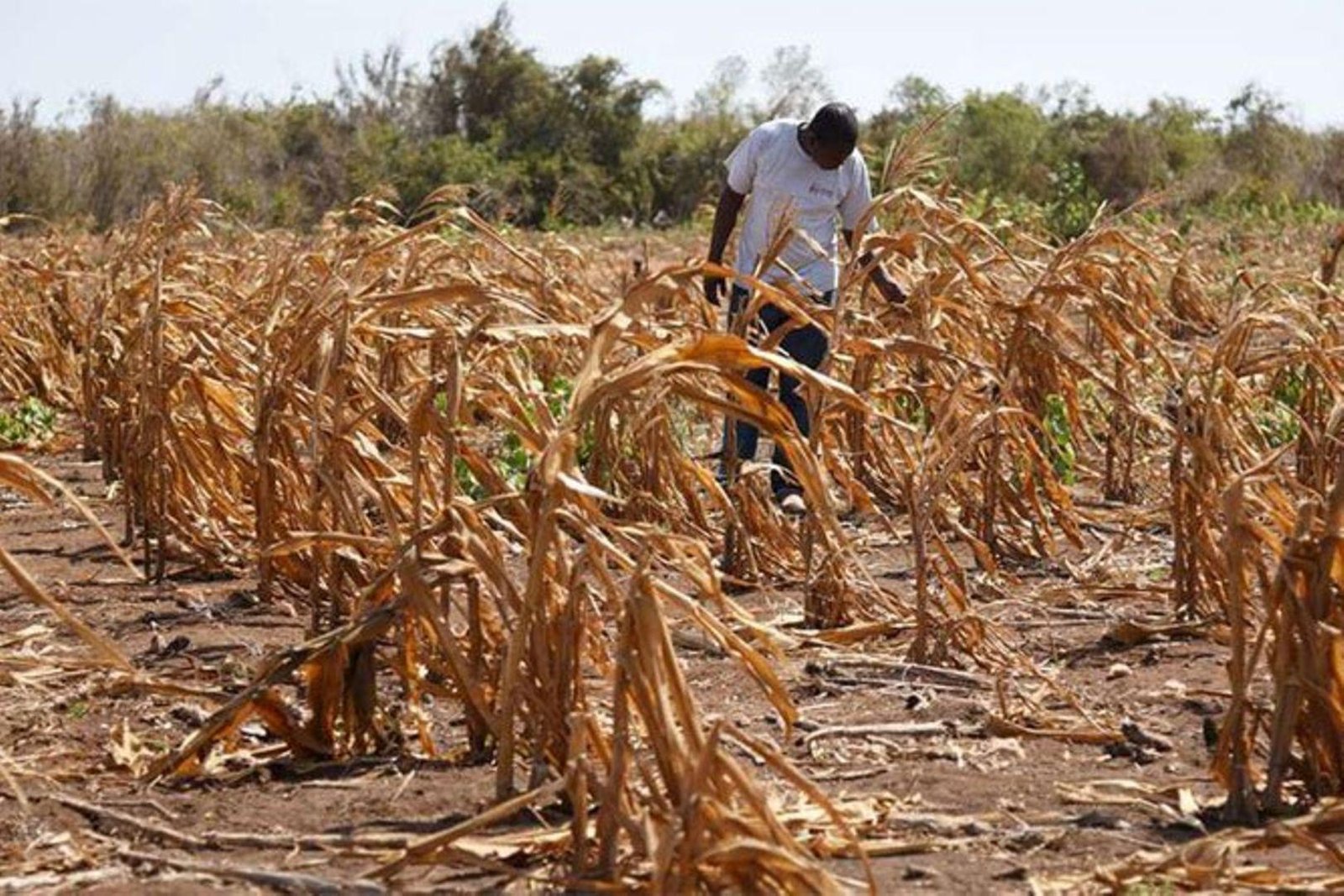
Kenya is preparing for another major intervention in the maize market, and the outcome could determine how much millions of households pay for unga in the coming months.